HIL’s Adult Literacy Program in Rwanda
The Rwandan Genocide Did Not Only Take One Million Lives
In 1994, Rwanda experienced one of the worst genocides of the 20th century, as ethnic conflict led neighbors to kill neighbors in a tragedy that claimed the lives of nearly one million people — approximately 10% of the population — within just 100 days.
Those who fled to neighboring countries to escape the violence survived, but many lost their homes, property, and livelihoods. The children of that time grew up without access to proper education and eventually became adults carrying the weight of poverty and instability.
Today, many of them are parents themselves, yet they continue to struggle to break free from the cycle of poverty. Some were unable to sign school documents for their children because they could not read or write. Others could not open bank accounts or verify whether they had been paid fairly for their work.
Literacy Is Connected to Access to Information, Employment, Income, and Health
Literacy refers to the ability to read and write, including basic numeracy skills. Research shows that adults with high school–level literacy are more likely to secure better jobs, earn higher incomes, and maintain better overall health than adults with low literacy levels.
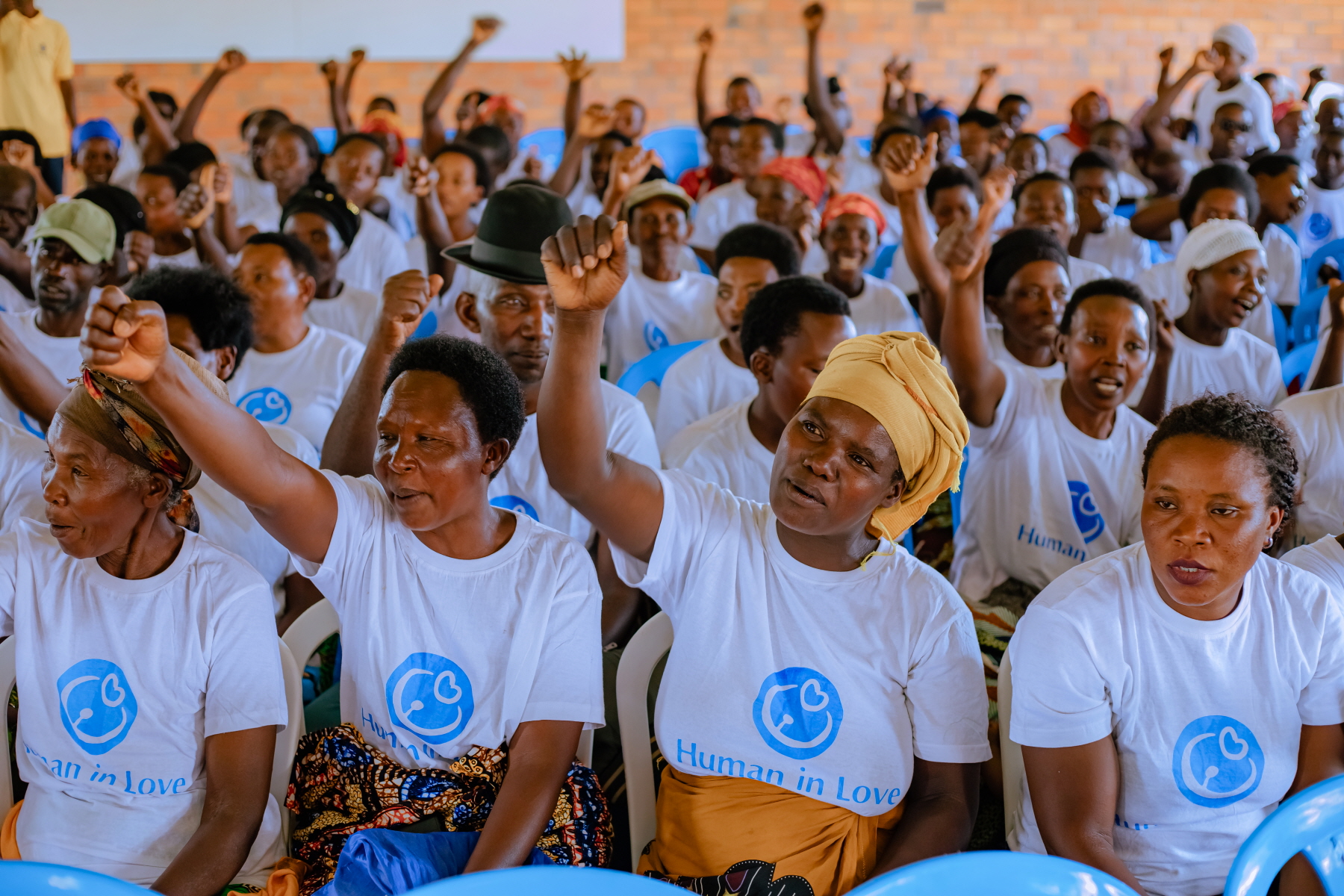
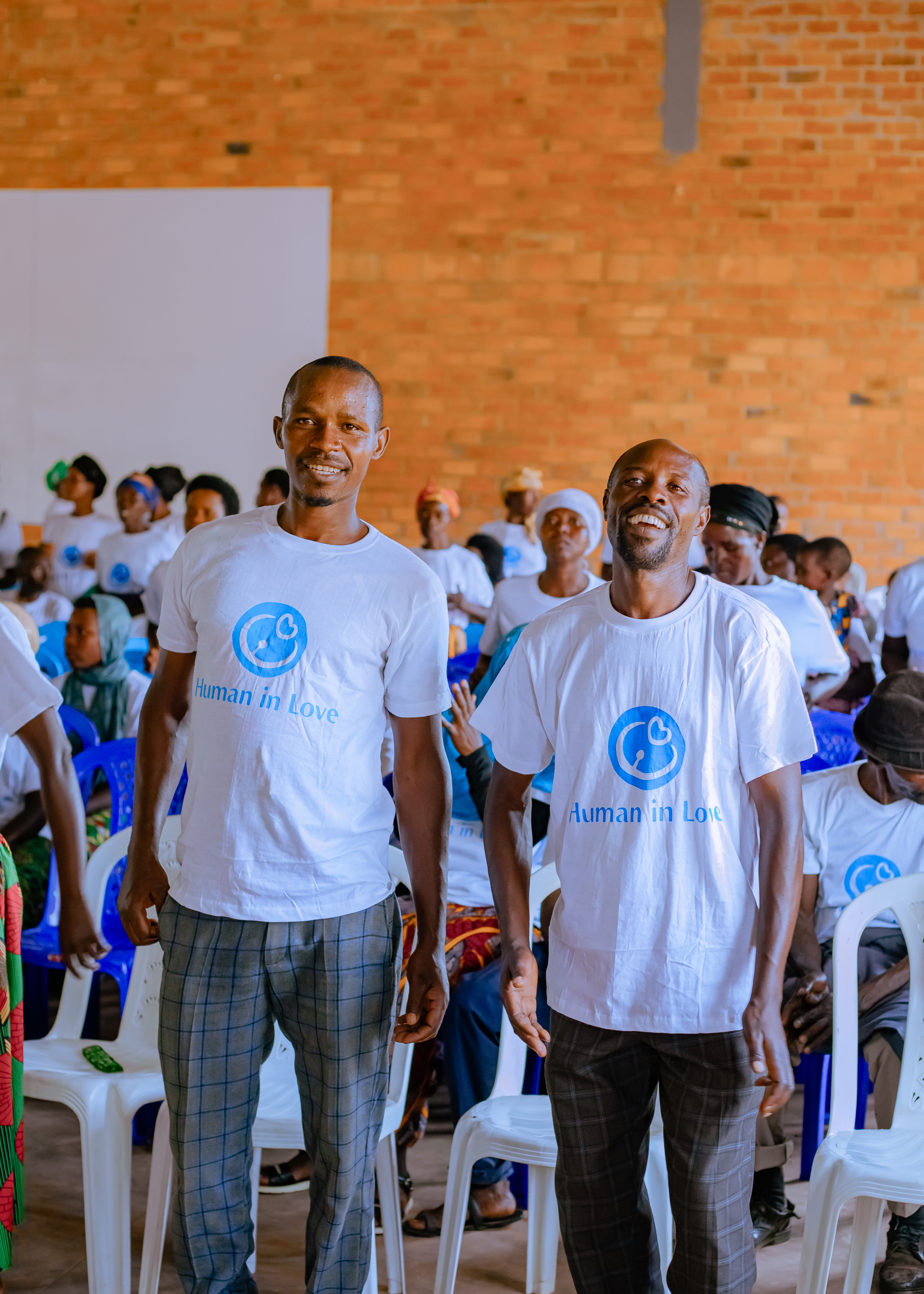
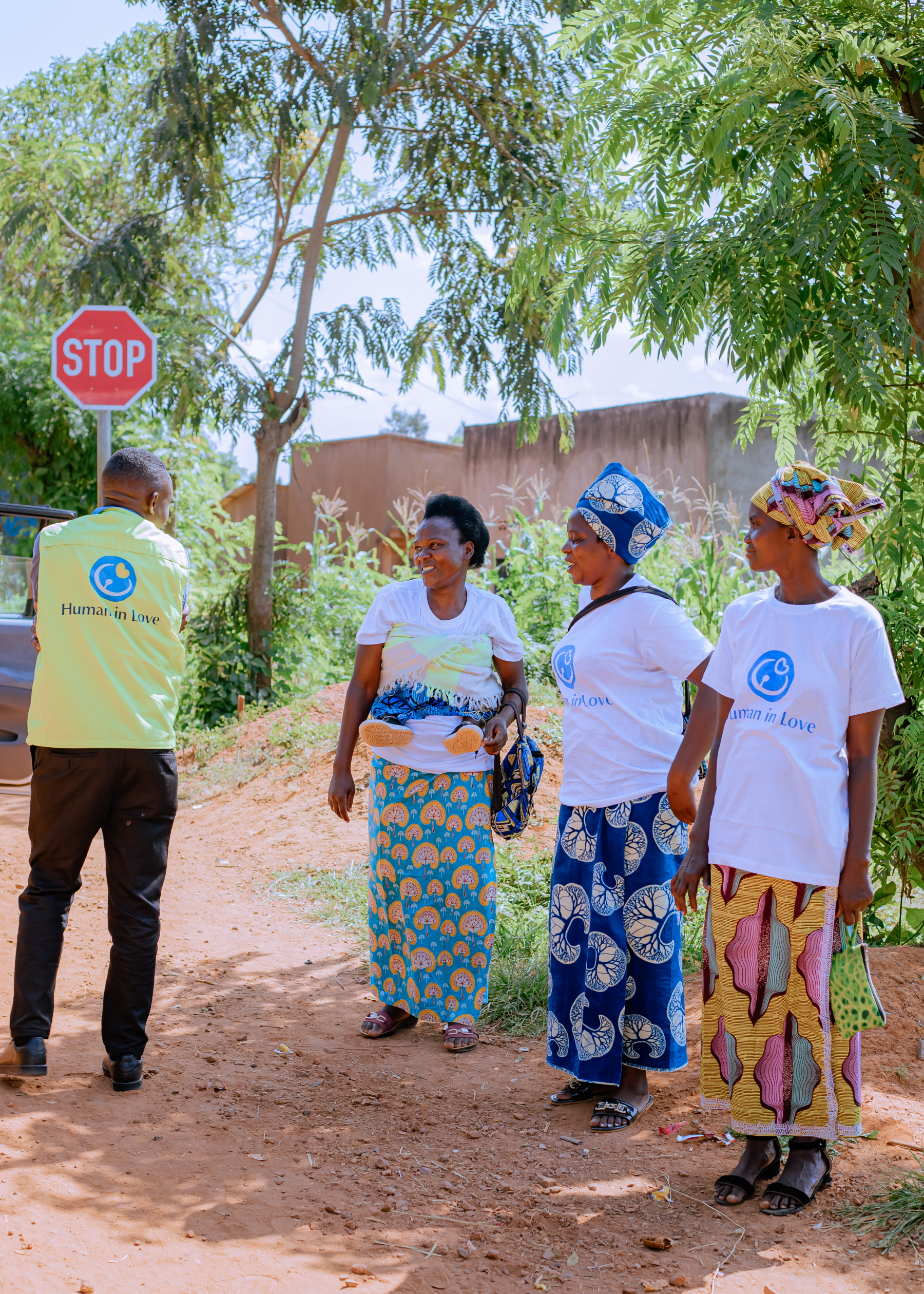
In response, HIL has been operating adult literacy classes since 2017 in 15 villages in the Rweru region, where many returnees who fled Rwanda during the genocide and later came back after living as refugees abroad are now settled. To date, the program has helped 1,846 participants successfully pass the nationally accredited literacy examination.
A Determination to Break the Cycle of Poverty
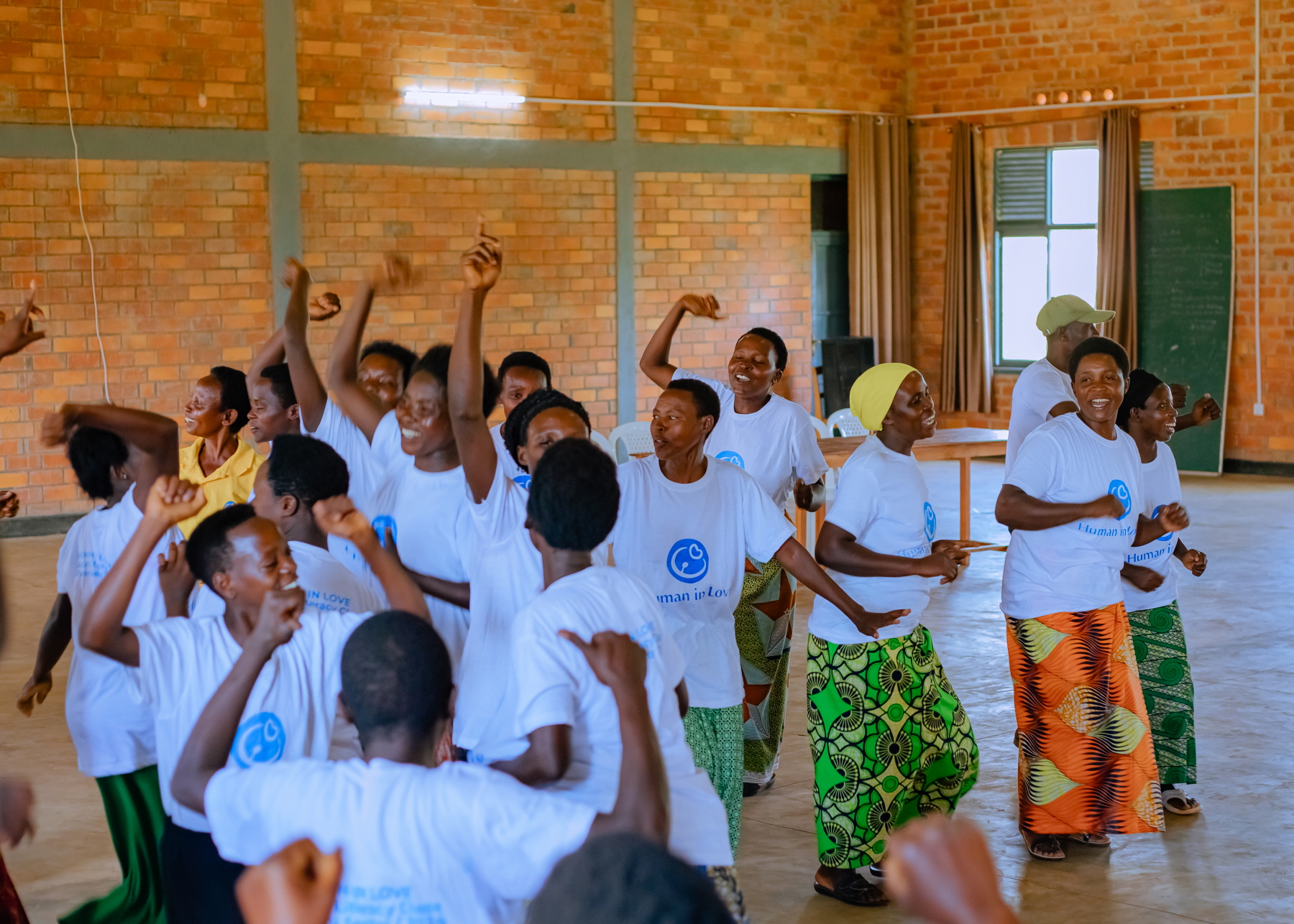
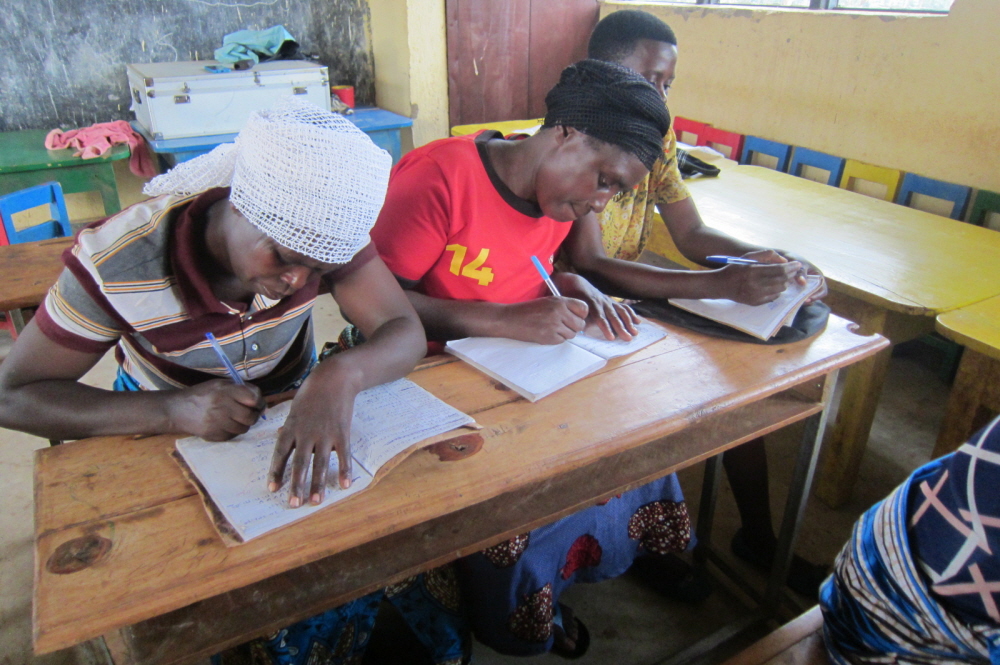
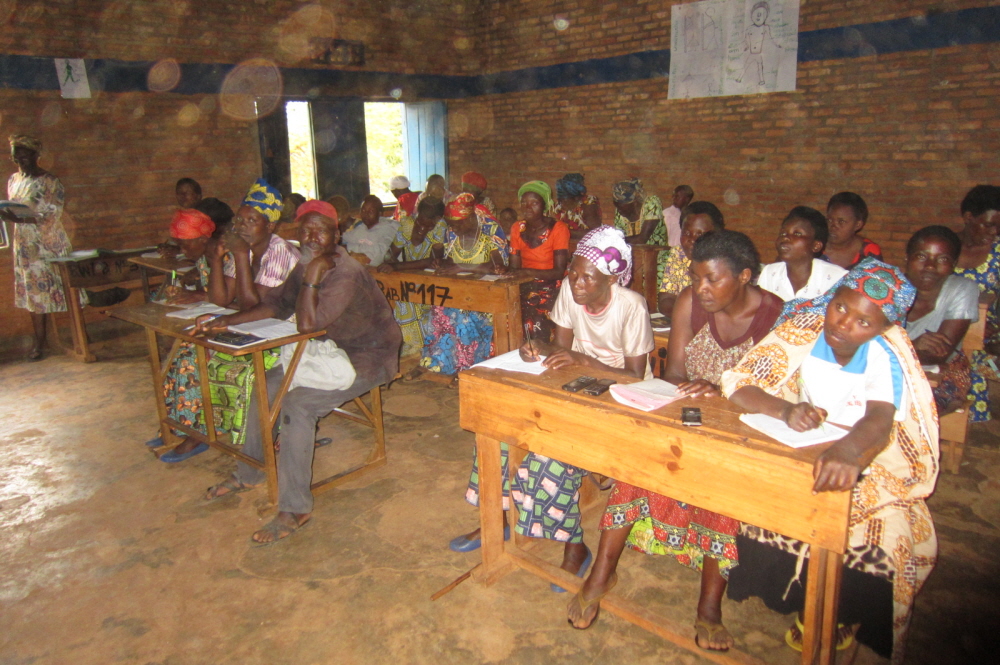
There is a Rwandan saying: “The best thing about education is that no one can take away what you have learned.” At HIL’s adult literacy classes, participants learn not only reading, writing, and basic arithmetic, but also practical knowledge for everyday life, including health, breastfeeding, nutrition, human rights, savings, proper use of clean water, and disease prevention.
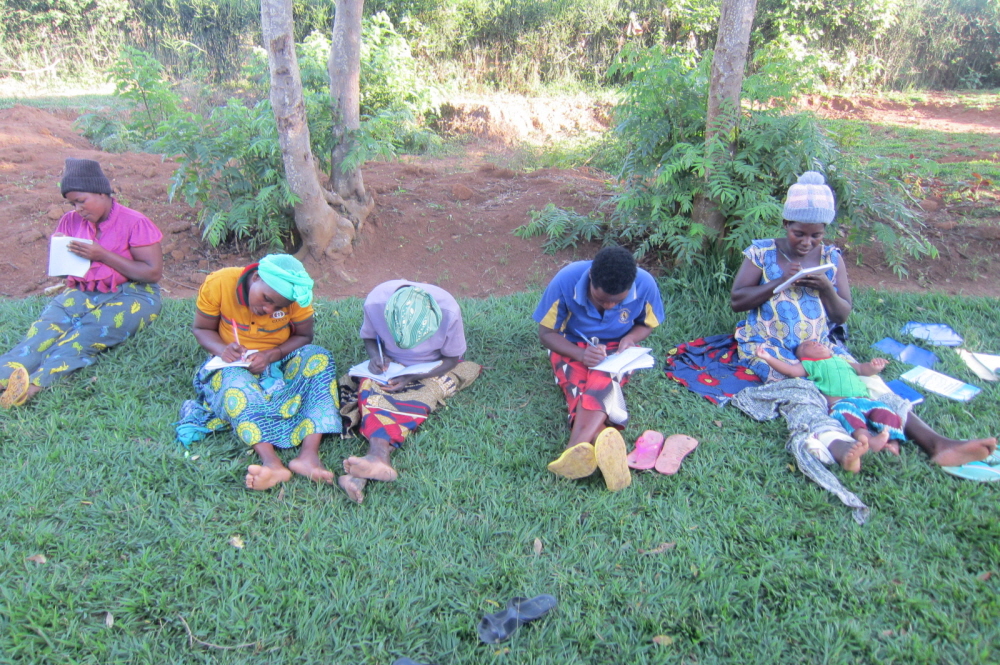
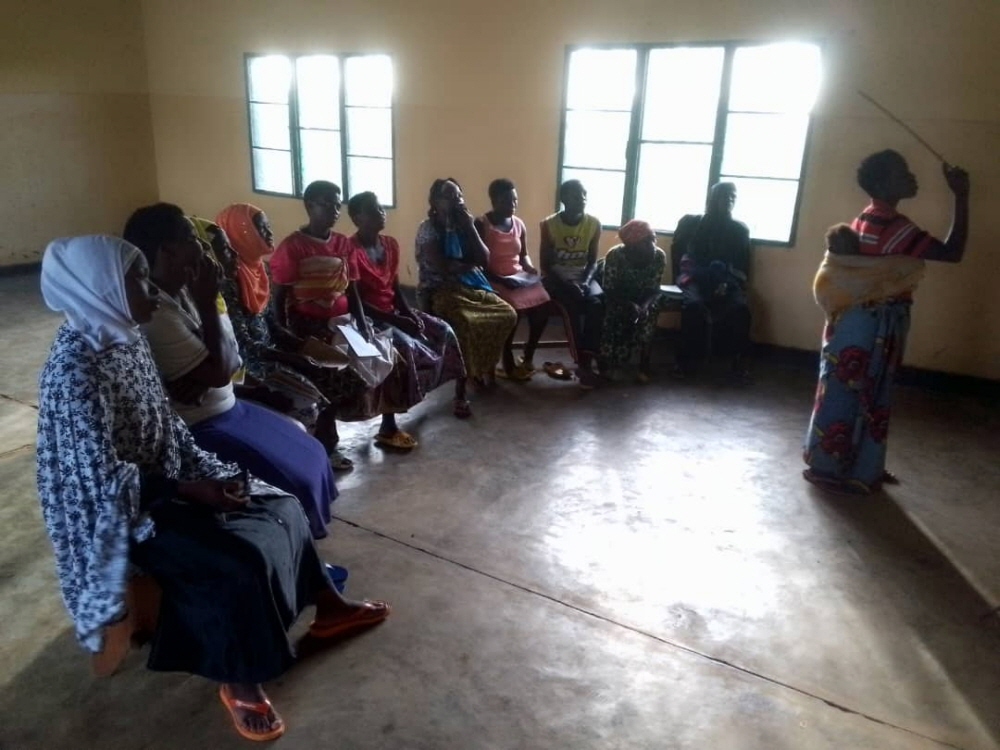
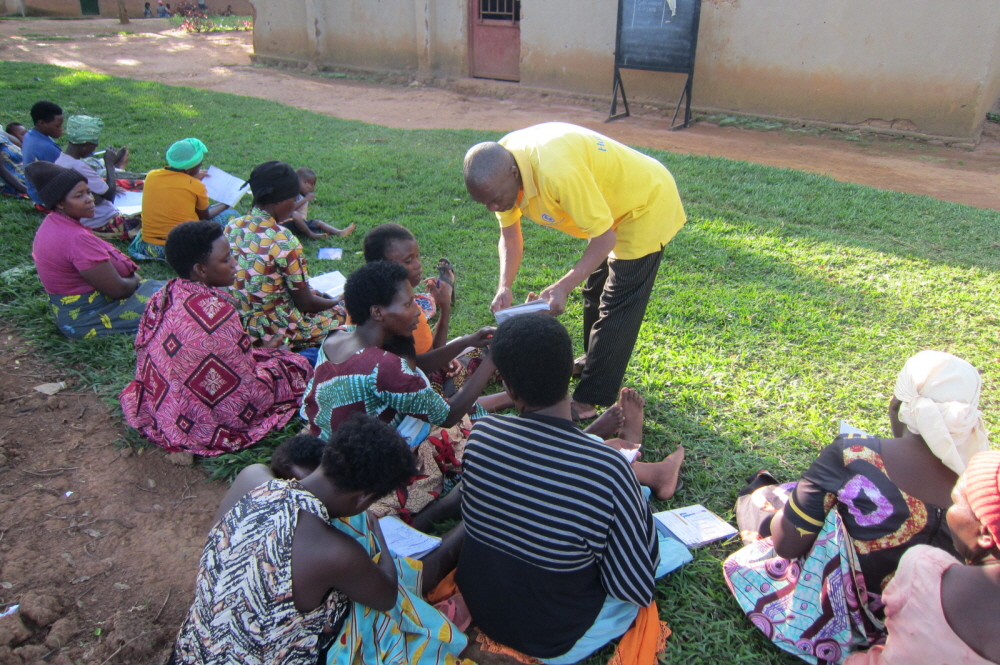
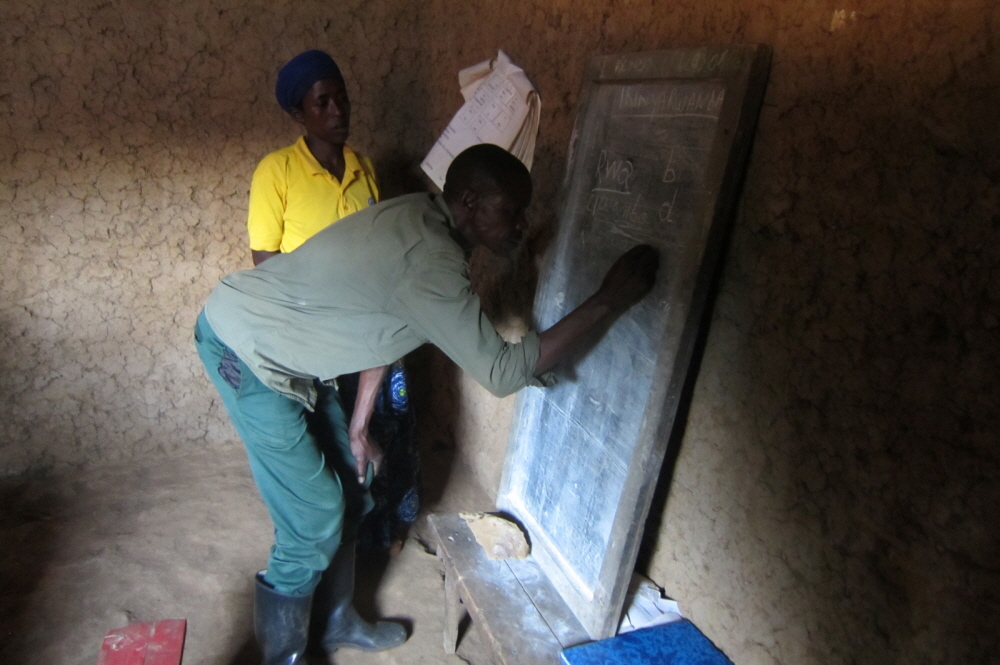
Every session receives more applicants than available spaces. Classes are held wherever learning can take place — in an empty house at the Twinyange Center, on a grassy field at the Ruzo Center, in the largest courtyard in the village at the Nemba Center, and in a classroom without electricity at the Nyiragiseke Center. For the participants, however, where they study is not what matters. Their passion and commitment to learning are truly remarkable.
Who Received the Goats and Chickens?
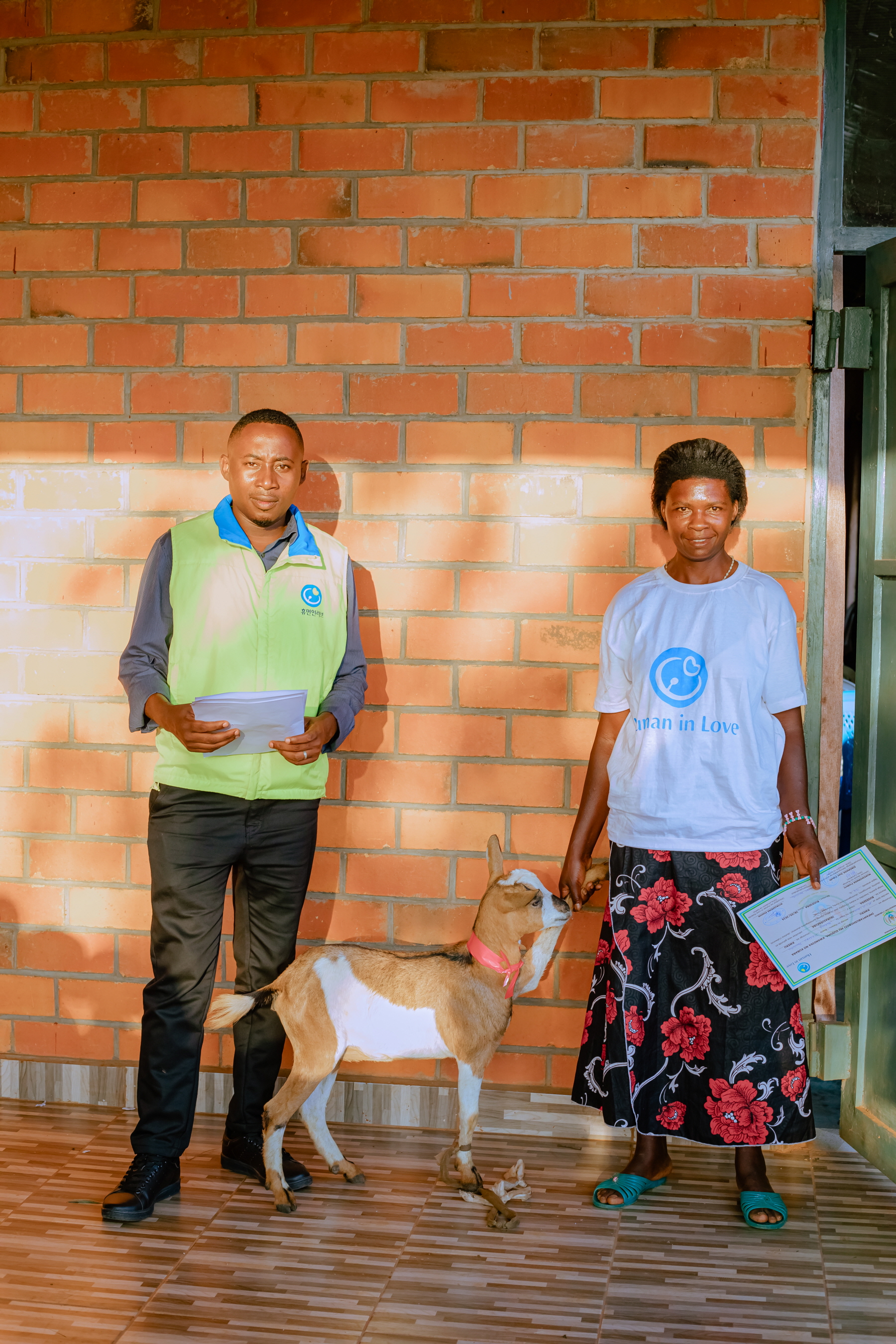
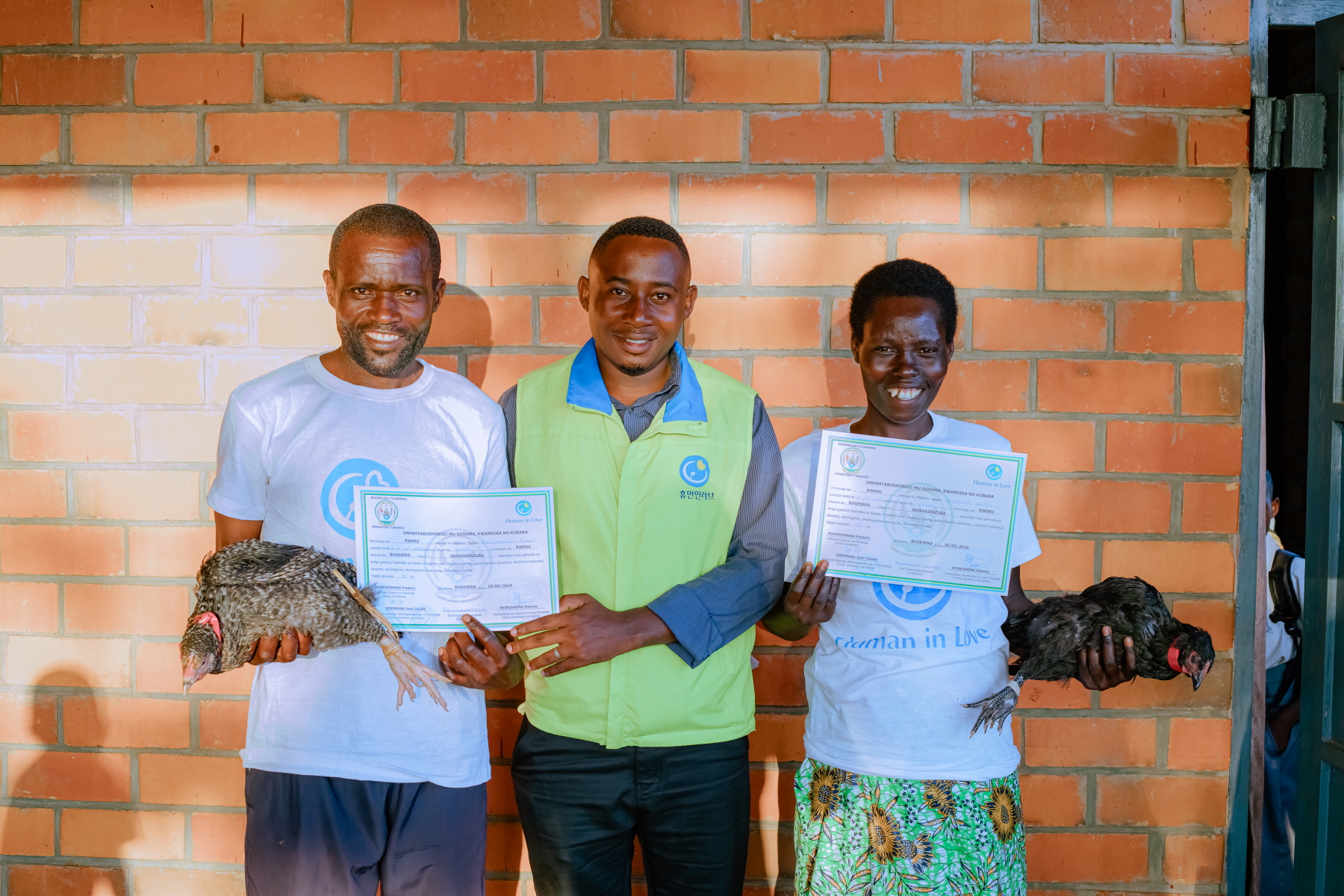
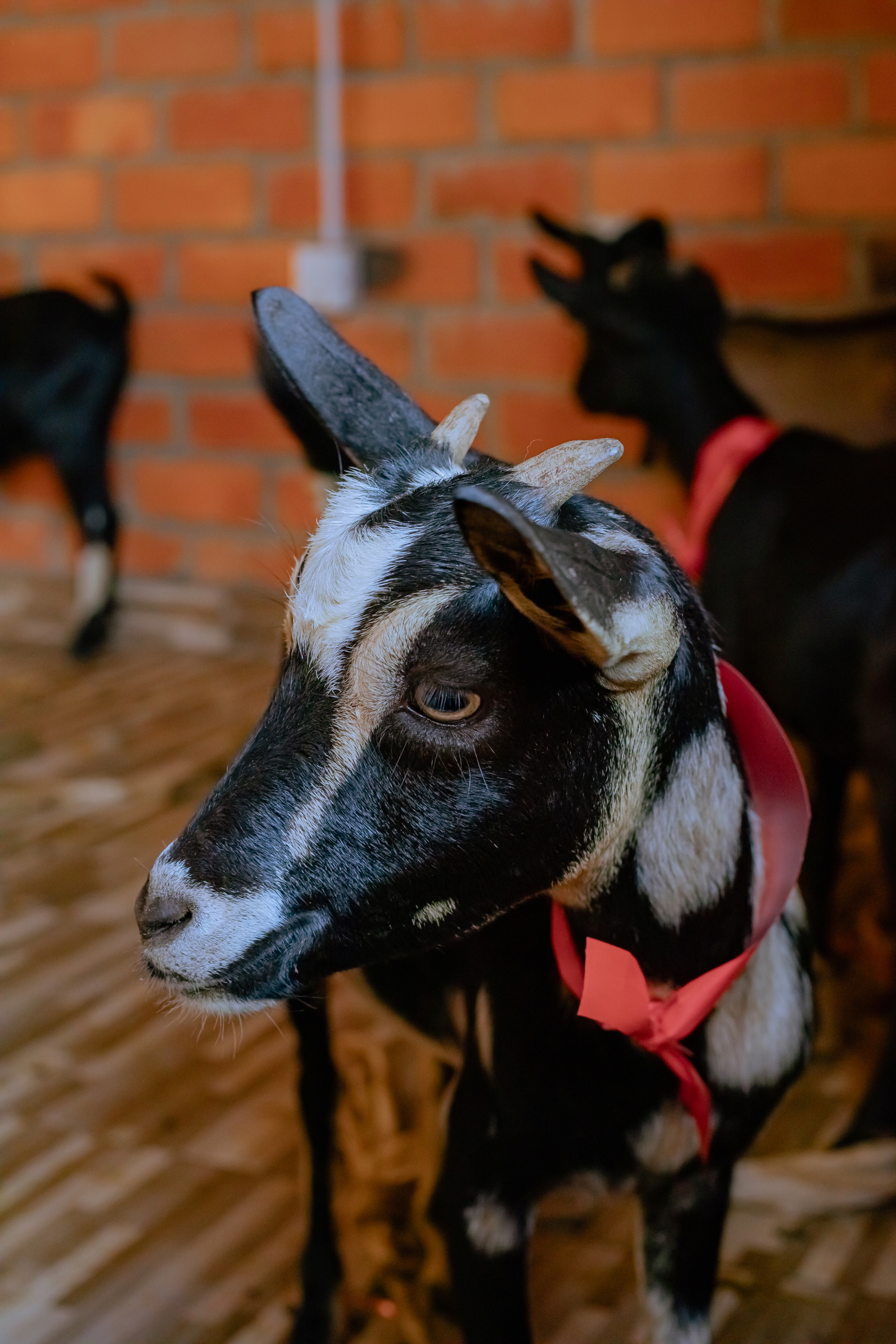
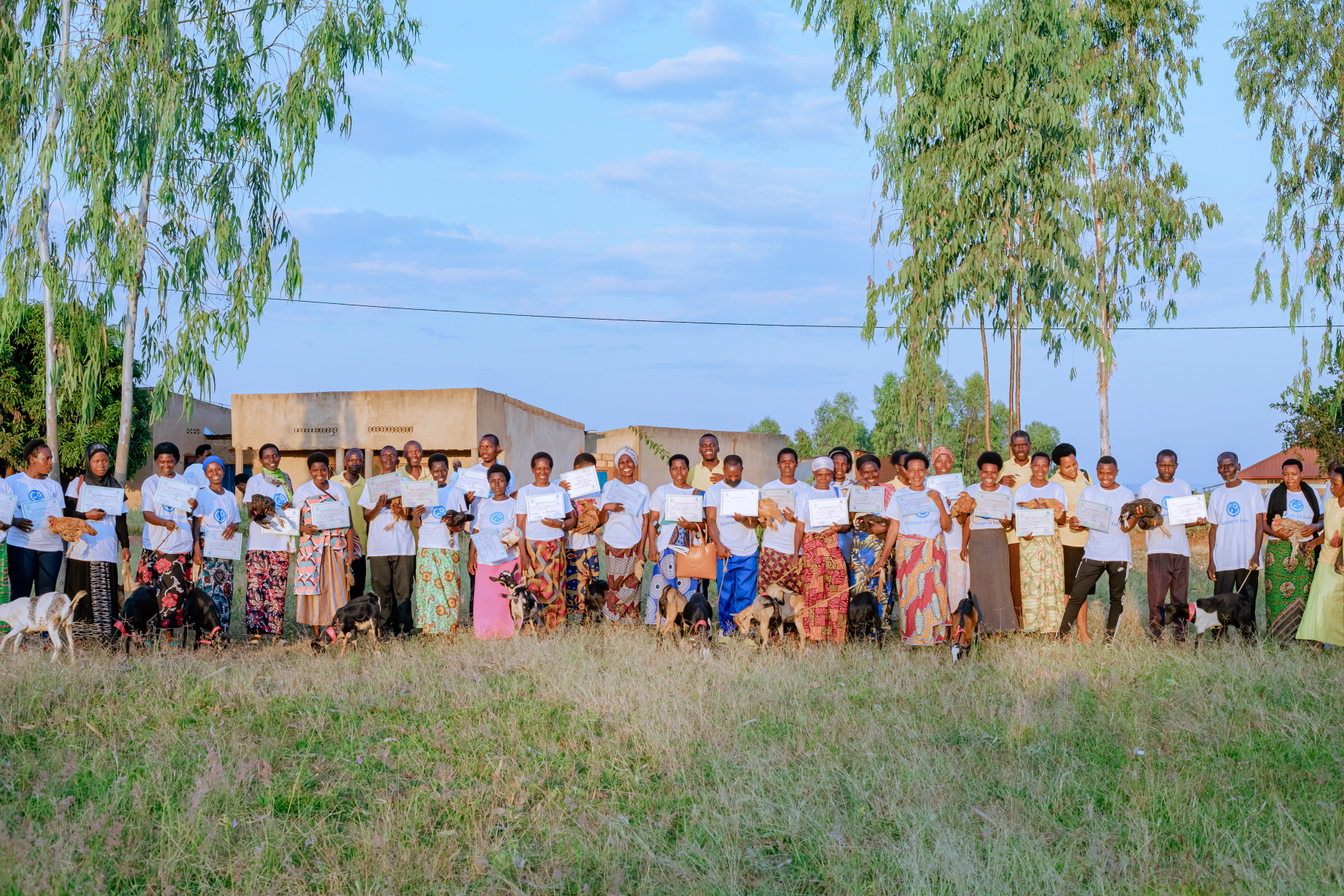
To encourage the parents’ remarkable passion for learning, HIL prepared special awards for outstanding participants. At each learning center, goats were presented to top-performing learners, while chickens were given to participants with excellent attendance.
For many adults, pursuing education while struggling to support their families is far from easy. Yet these parents chose to challenge themselves with a sincere determination to build a better future and prevent poverty from being passed on to their children. HIL sincerely thanks all donors who supported and encouraged the determination and perseverance of the parents participating in the adult literacy class in Rwanda.