
** This article was published in the May 2026 issue of the Marine_Litter_News_Vol.18 by Asia Pacific Civil Forum on Marine Litter **
Eun Joo YI | Project Advisor, Human in Love | ejyi@humaninlove.org
Jiyeon Chae | Head of Environmental Programs, Human in Love | chalet@hil.or.kr
Marine litter is a major environmental challenge that poses a serious threat to marine ecosystems and coastal communities worldwide. While policy and technological solutions are essential, longterm change ultimately depends on how individuals understand and respond to this issue.
At the starting point of this change, children deserve particular attention. As future stewards of the environment, they are in a formative stage where values and behaviors are shaped, and experiences during this period can have lasting impacts on their awareness and actions.
Through five years of implementing the My Beloved Ocean campaign, we have observed that awareness alone is not enough. What drives meaningful change is when children are given opportunities to connect understanding with emotion and action through creative and experiential learning. This suggests that children are not passive recipients of environmental education, but active agents of change within their communities.
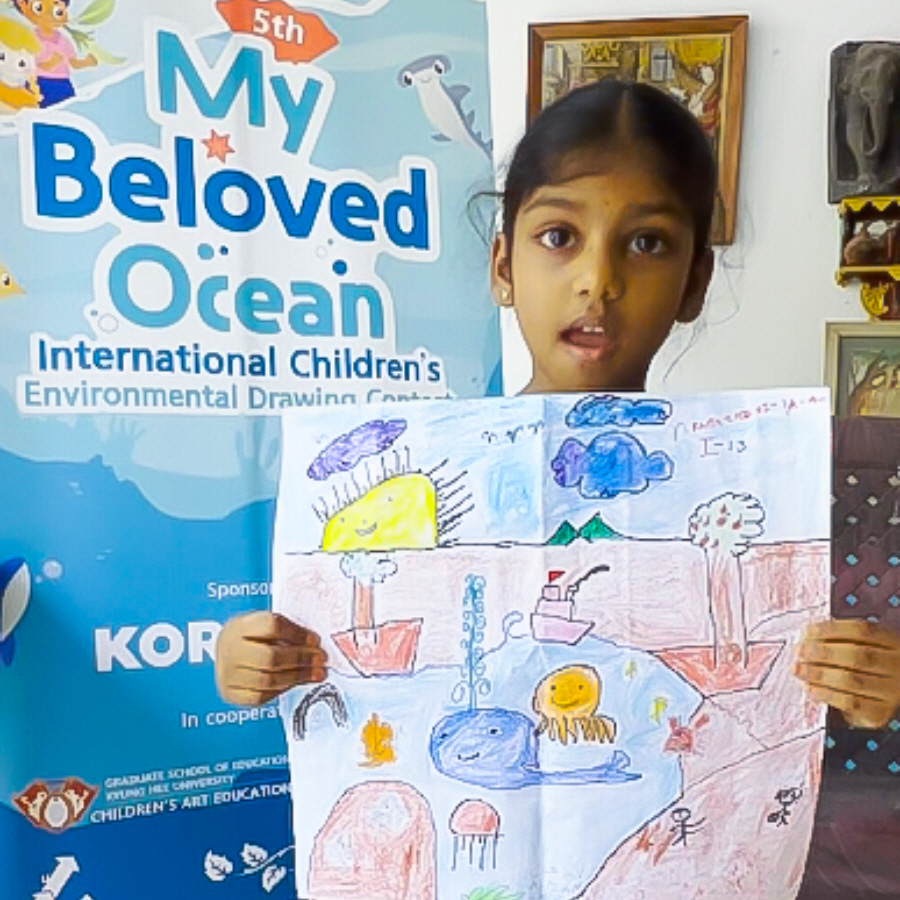
Since 2021, Human in Love has been implementing the global ocean campaign “My Beloved Ocean”, connecting children’s environmental awareness with action. Centered around an international children’s environmental drawing contest, the campaign integrates creative expression, environmental education, and community-based activities. In 2025, approximately 3,500 children from 18 countries participated, bringing the cumulative total to over 10,000 participants.
This initiative goes beyond a drawing contest and is designed as a process linking awareness, emotion, and action, reflecting its core philosophy that meaningful behavioral change begins with this progression. To support this approach, Human in Love applies an immersive learning framework inspired by the Children’s Perception of the Environment (CPE).
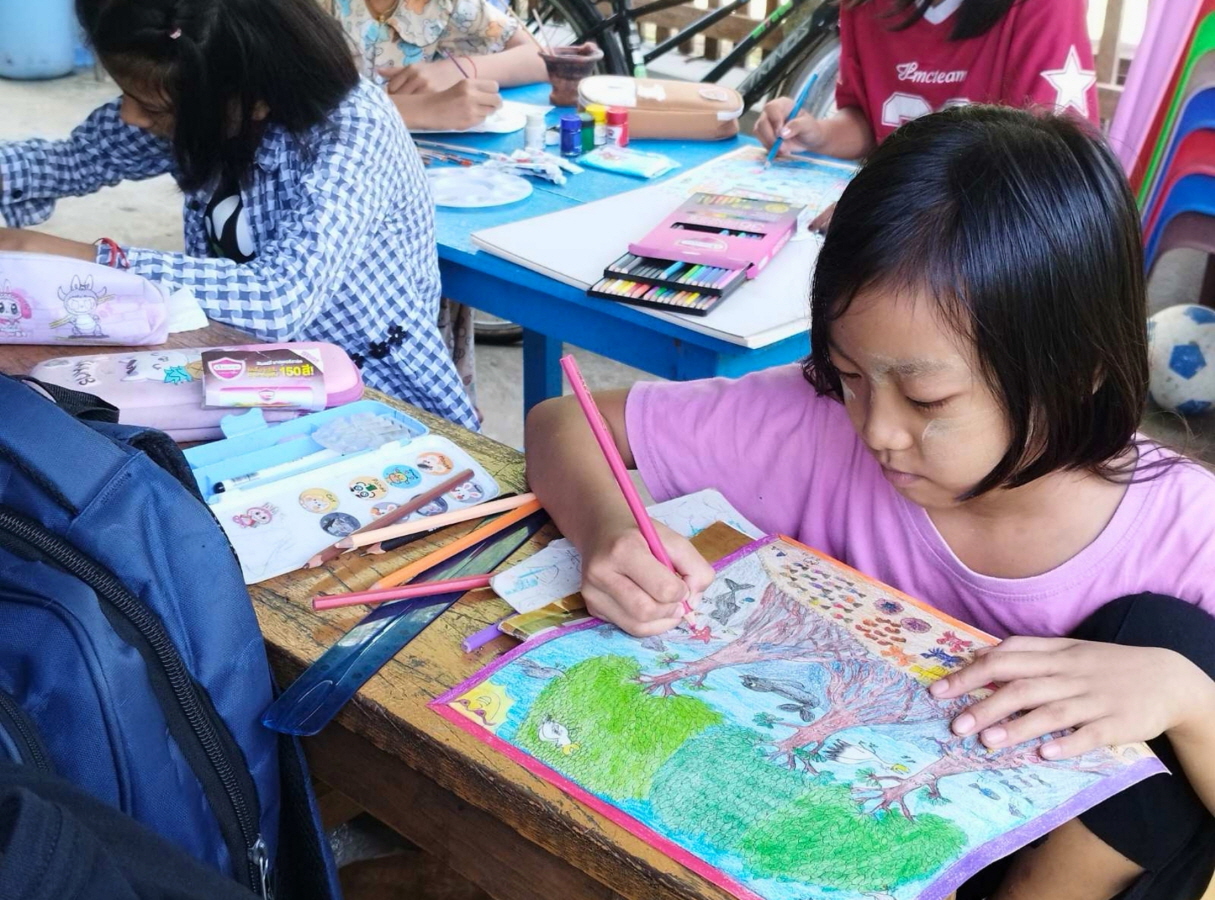
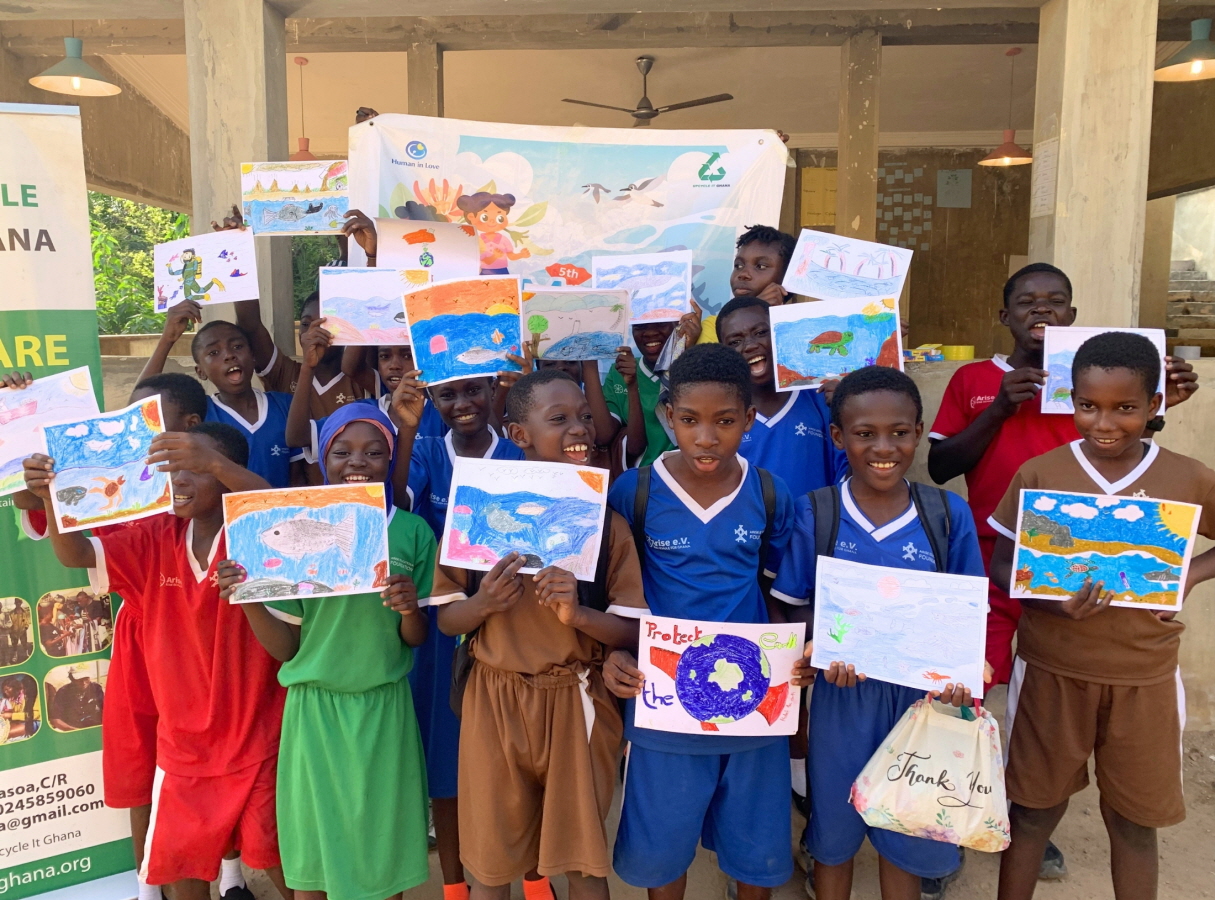
Figure 1. Children expressing their understanding of marine environmental issues through drawings. Photo Credit: Human in Love, Upcycle It Ghana.
This initiative goes beyond a drawing contest and is designed as a process linking awareness, emotion, and action, reflecting its core philosophy that meaningful behavioral change begins with this progression. To support this approach, Human in Love applies an immersive learning framework inspired by the Children’s Perception of the Environment (CPE).
– Observe: Children explore their surroundings and directly examine marine litter and ecosystem changes.
– Reflect: They consider the causes and impacts of these issues and connect them to their daily lives.
– Express: They communicate their thoughts and emotions through drawings, storytelling, and dialogue.
Through this process, children move beyond knowledge acquisition to developing a sense of responsibility and care for the ocean.
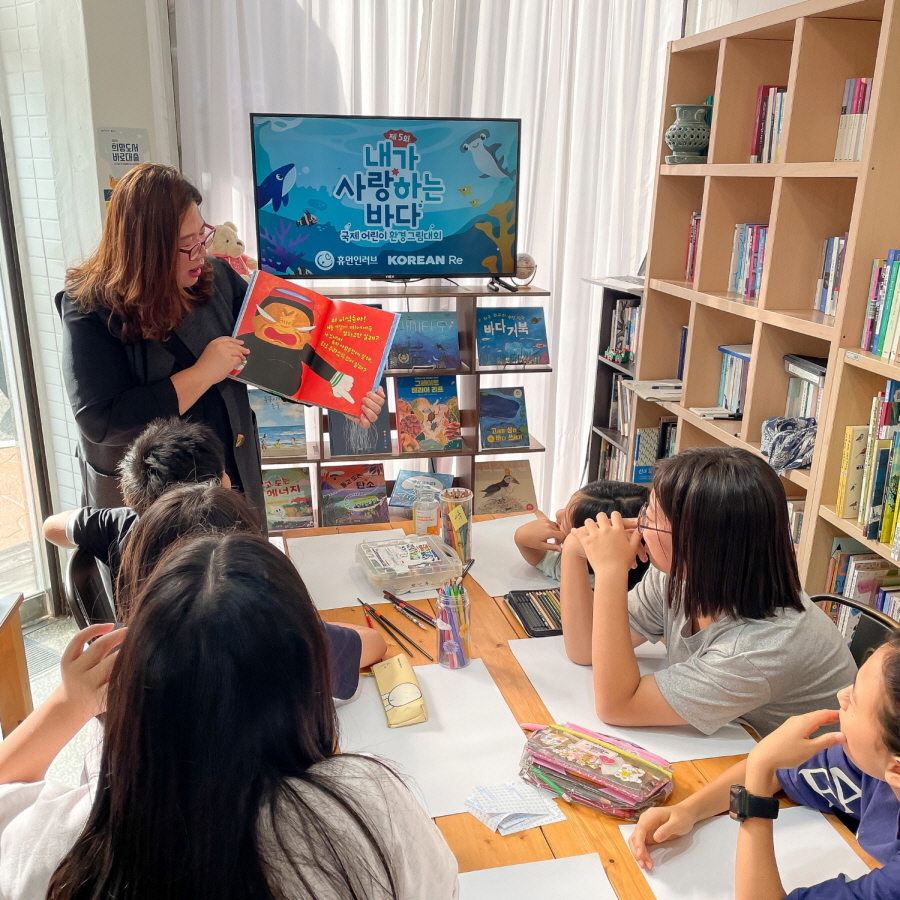
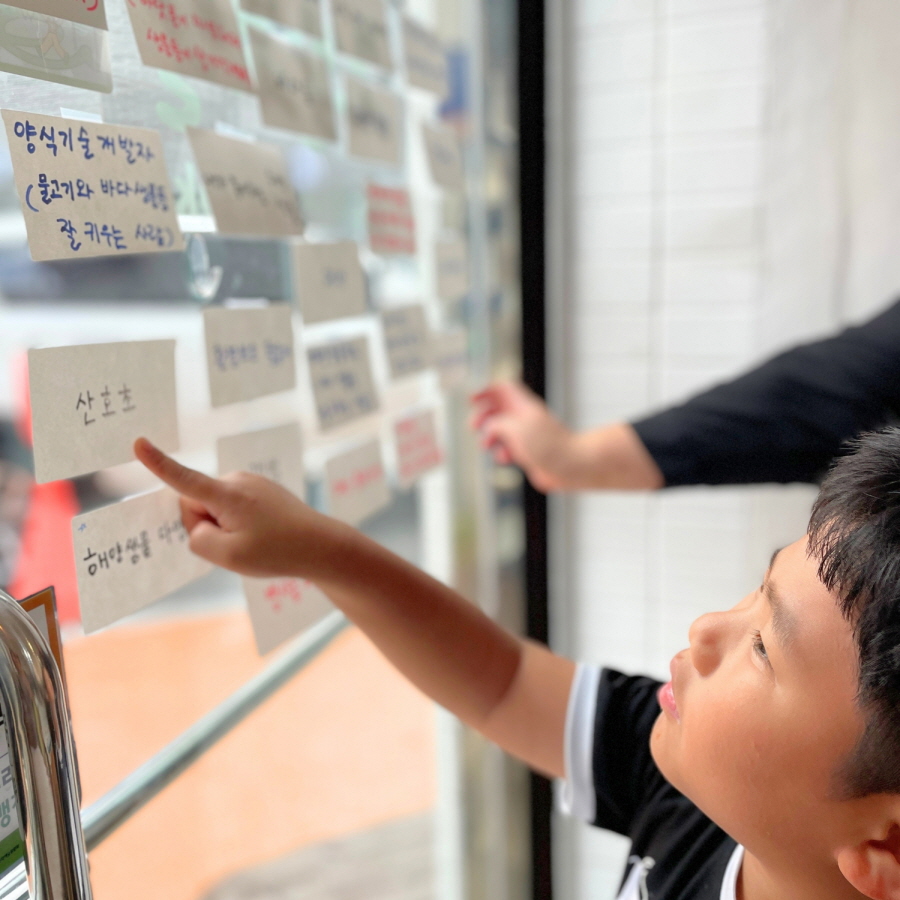
Figure 2. Environmental education activities using creative guides, experiential learning, and reading materials. Photo Credit: Human in Love.
However, awareness alone does not necessarily lead to behavioral change. To address this gap, the campaign extends into follow-up environmental activities. After participating in the contest, children engage in beach clean-ups, environmental campaigns, and community-based education, translating their awareness into action. These experiences allow them to recognize their role as active contributors to environmental solutions.
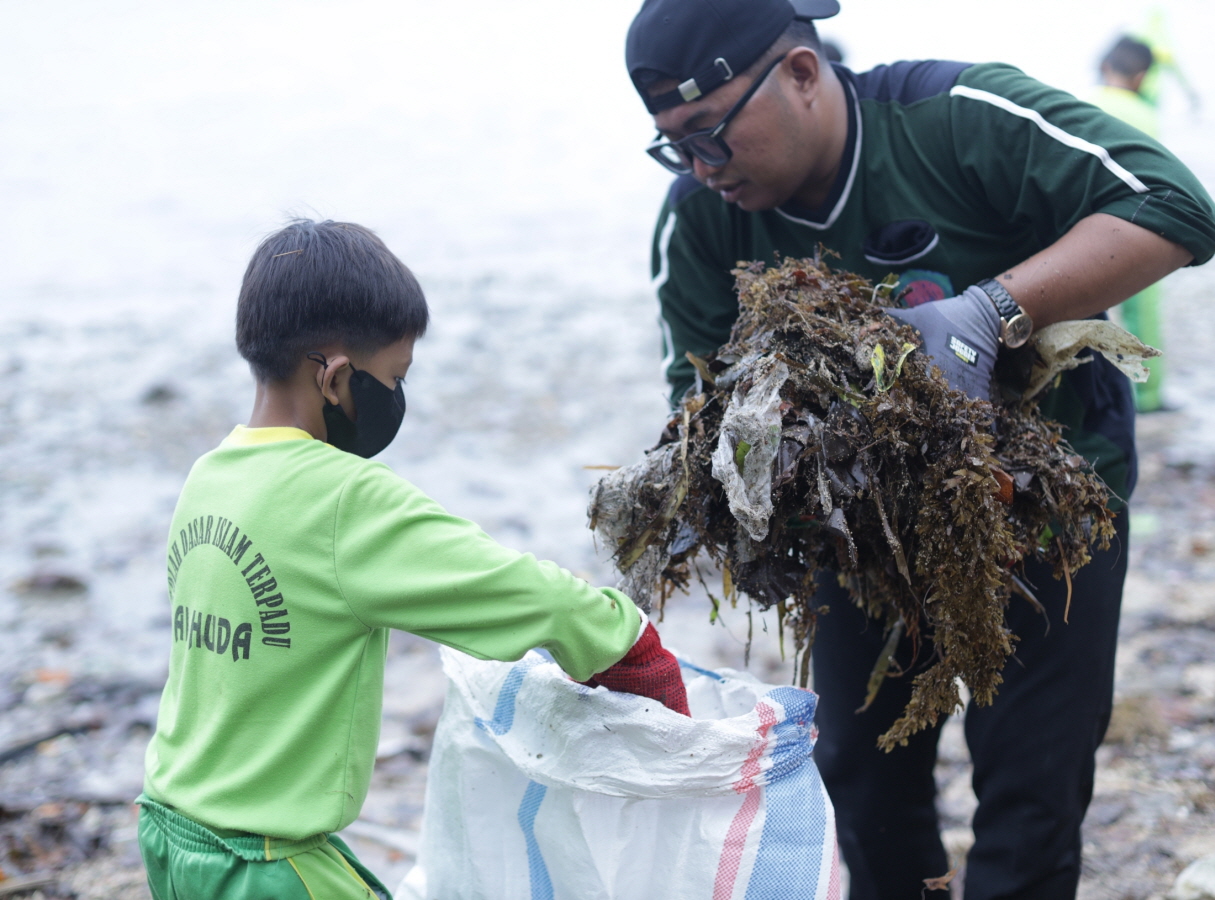
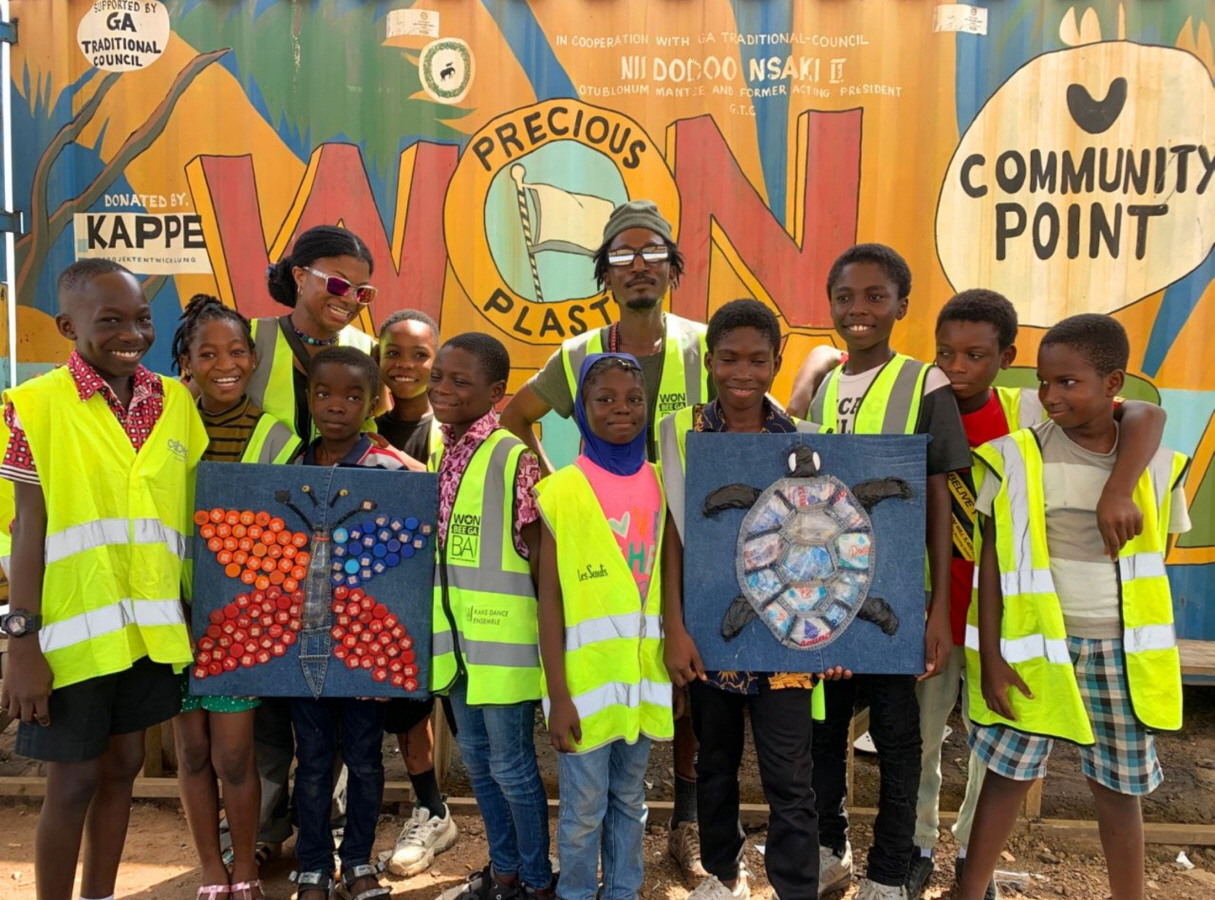
Figure 3. Childcentered environmental activities across (left) Indonesia and (right) Ghana. Photo Credit: Human in Love, Upcycle It Ghana.
One of the key activities is environmental book donation. Award-winning children select environmental books and donate them directly to local schools or community libraries. In this process, they identify institutions in need, communicate with local stakeholders, and take responsibility for organizing and implementing the donation. This enables children to grow beyond participants into active contributors within their communities.

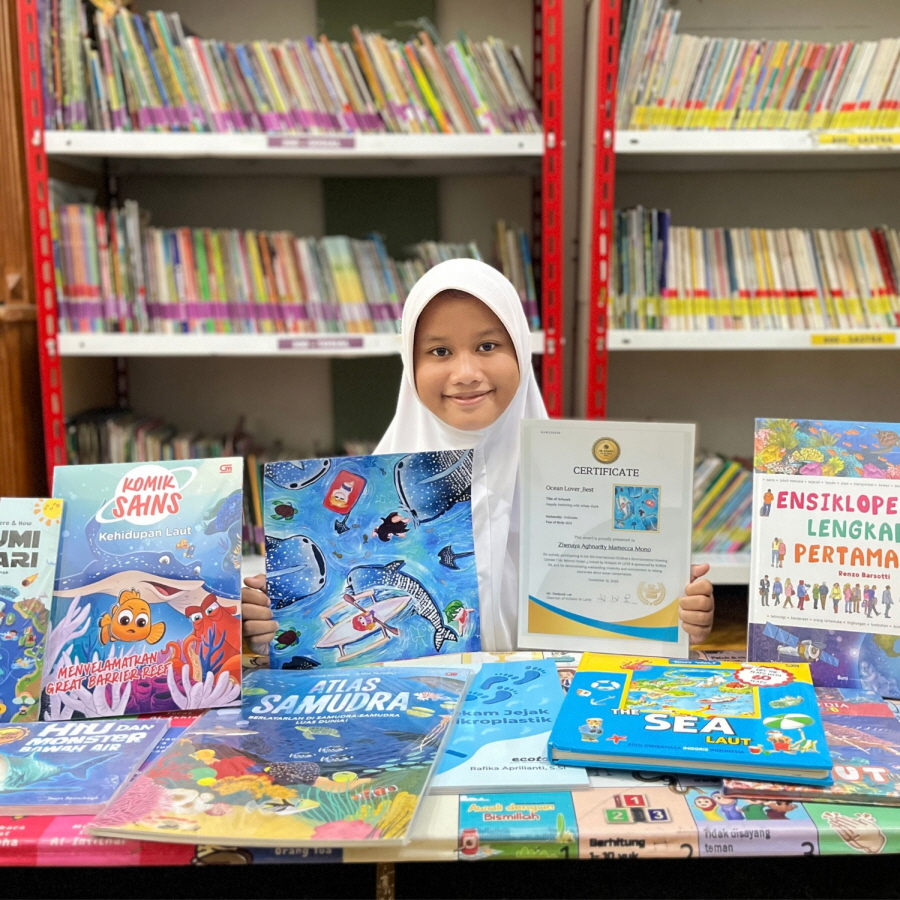
Figure 4. Children donating environmental books to local schools and libraries. Photo Credit: Human in Love, ECOTON Indonesia.
Activities implemented across different countries are adapted to local contexts and needs. Children participate in environmental clean-up activities, ocean literacy education programs, and community engagement, contributing to increased awareness and participation at the local level. Some participants return as volunteers, sharing their experiences with peers and encouraging others to participate. These peer-to-peer interactions play an important role in sustaining engagement and reinforcing behavioral change.
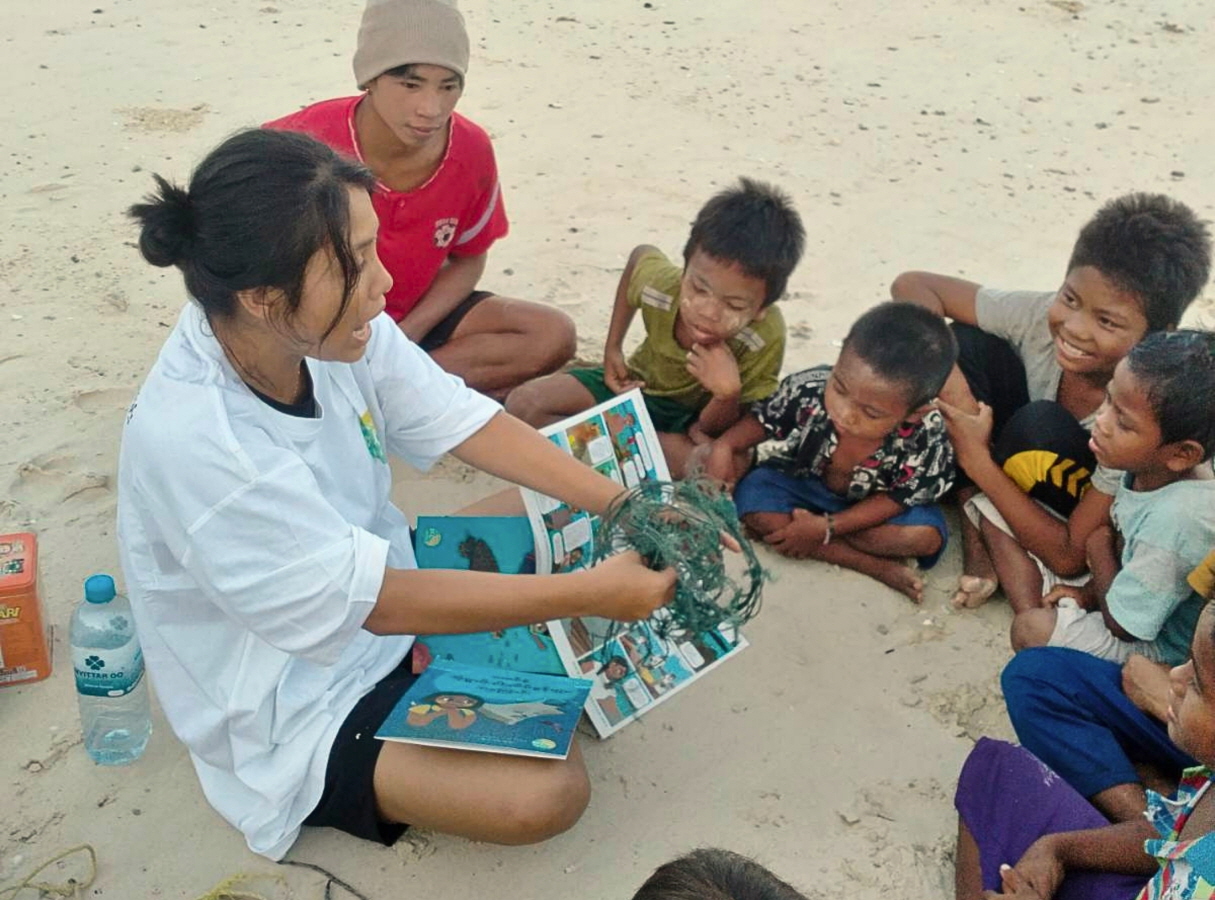
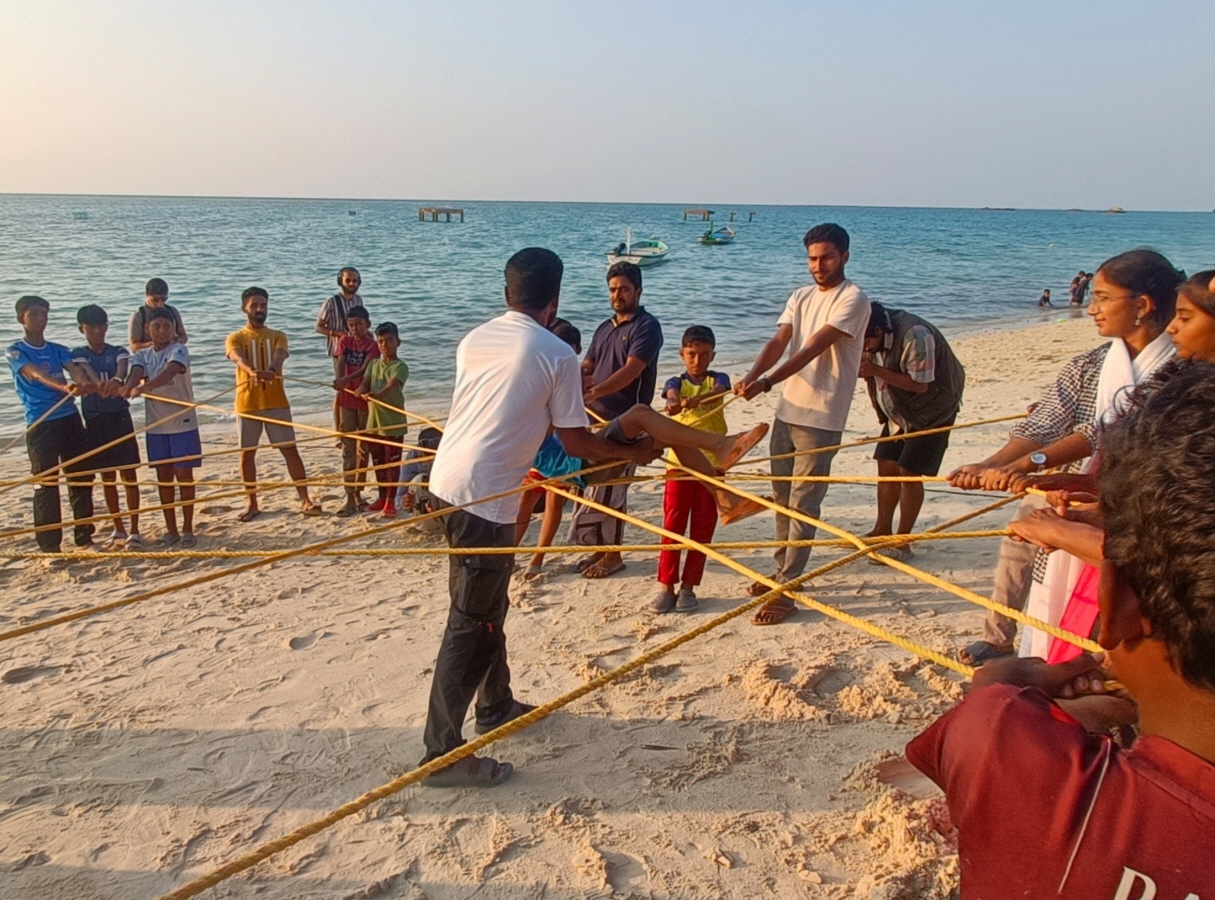
Figure 5. Childcentered environmental activities across (left) Myanmar and (right) India. Photo Credit: Myanmar Ocean Project, CAREES India.
While behavioral change may be difficult to measure in the short term, these experiences influence how children perceive environmental issues and their role in addressing them. The integration of creative expression, experiential learning, and community engagement provides a more holistic and sustained learning experience.
These activities are also linked to broader policy discussions. Children’s artworks and messages were presented at the Fifth Session of the Intergovernmental Negotiating Committee on Plastic Pollution (INC-5), where discussions on a legally binding treaty on plastic pollution are ongoing.
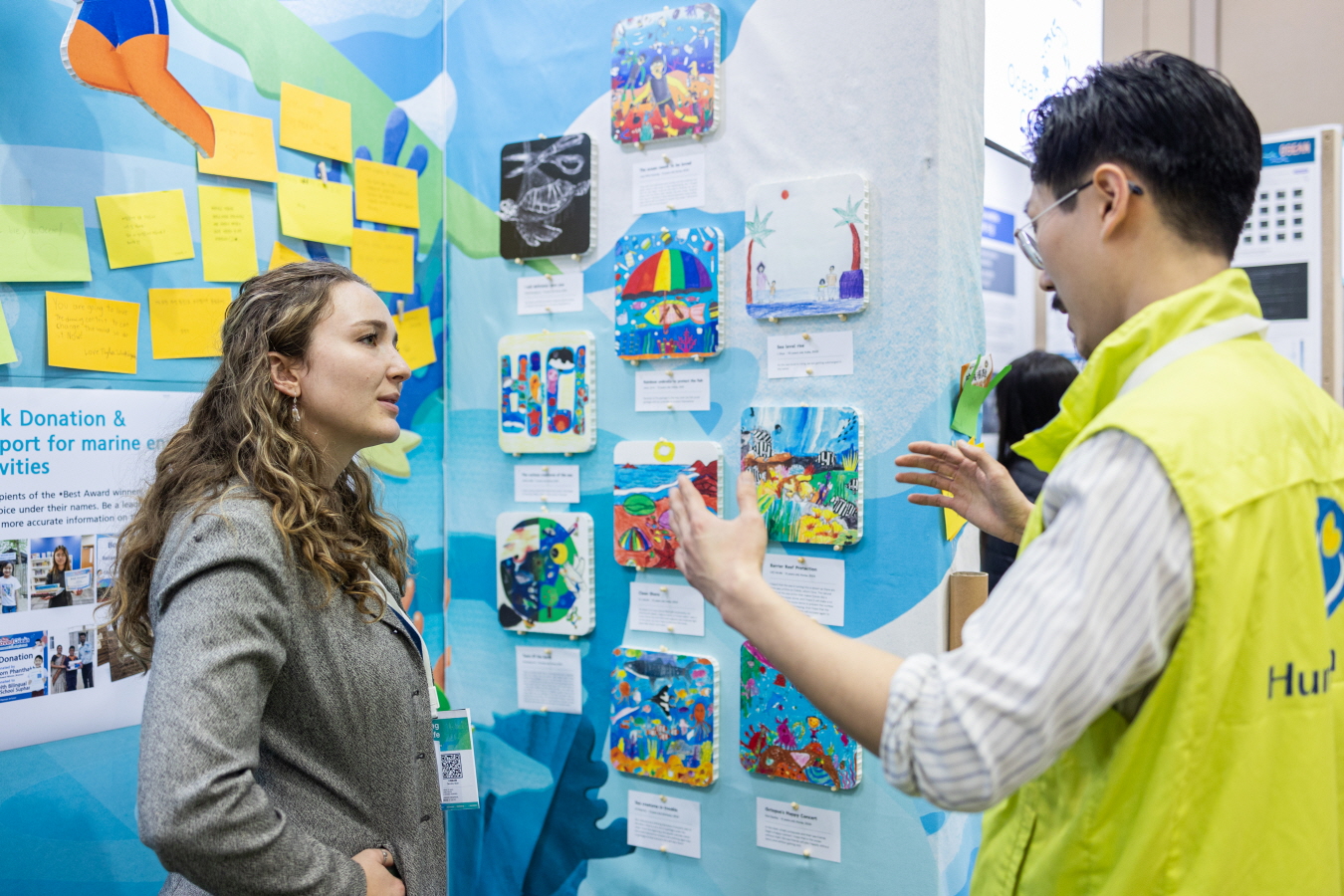
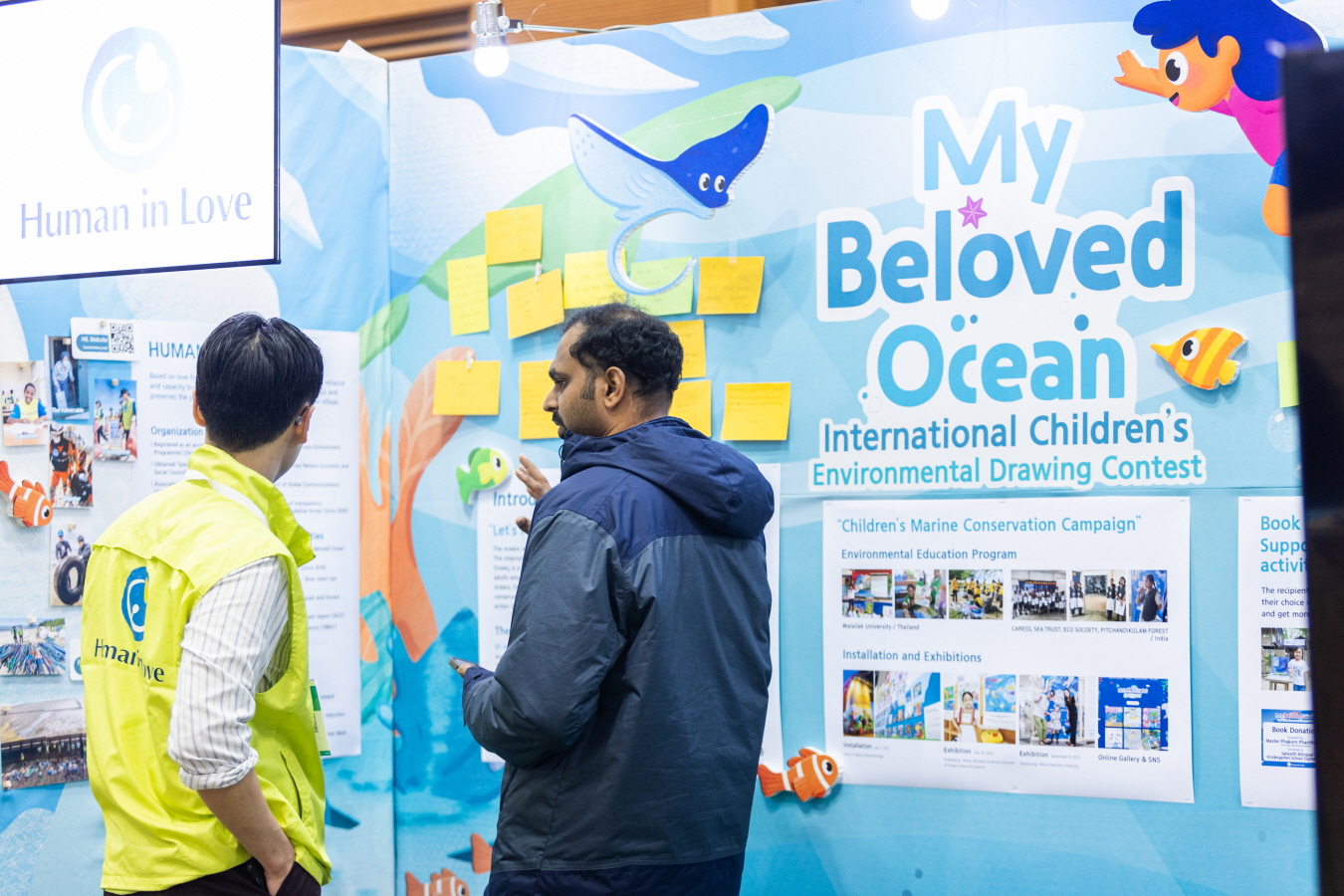
Figure 6. Children’s artworks and messages presented at INC-5, Busan, Korea. Photo Credit: Human in Love.
The project was also introduced at the India‒Norway Marine Pollution and Plastic Waste Forum. In the session “Changing Minds & Habits: How Behaviour Shapes Plastic Solutions,” children’s artworks and messages were presented alongside expert discussions, demonstrating how behavior-centered approaches can contribute to policy discussions and international cooperation.
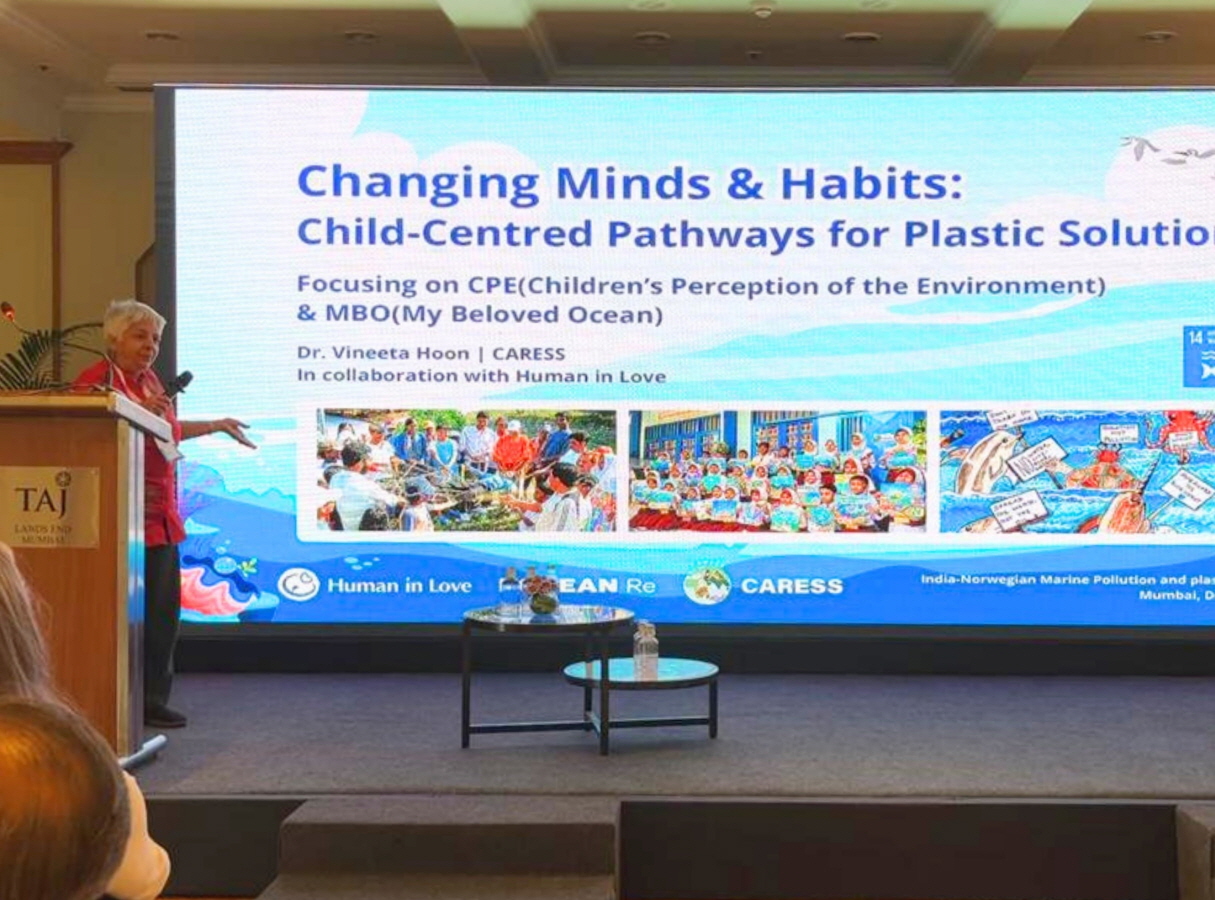
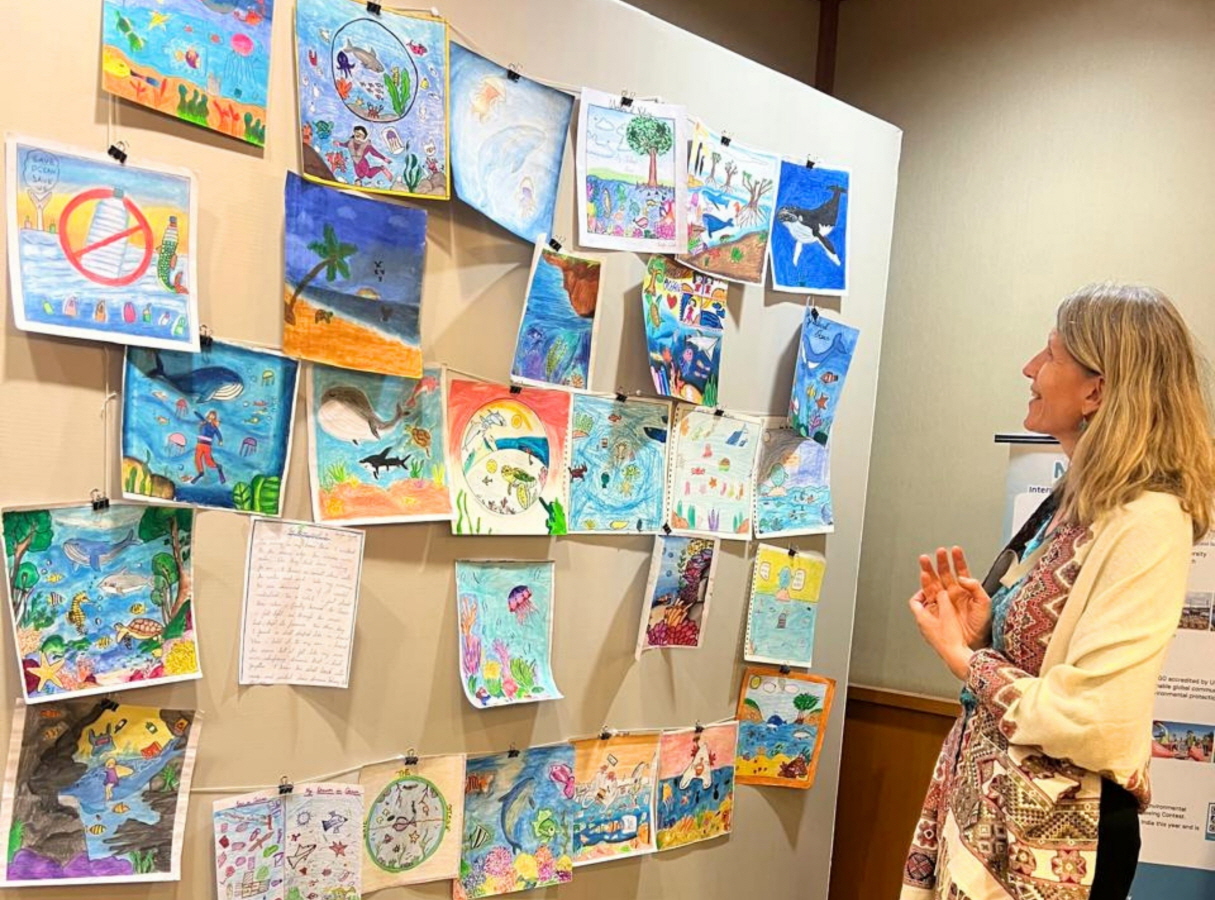
Figure 7. Exhibition of children’s artworks at the India‒Norway Forum, Mumbai, India. Photo Credit: CAREES India.
By bringing children’s voices into international policy spaces, the initiative contributes to communicating the urgency of marine litter in a more accessible and relatable way. It also demonstrates how individual and community-level behavioral change can complement policy and institutional responses.
The My Beloved Ocean campaign demonstrates an effective model for linking awareness to action by combining art-based engagement, experiential learning, and community participation. However, the implications of this approach go beyond a single initiative.
We urge organizations working on marine litter to reconsider the role of children—not merely as beneficiaries of environmental education, but as active agents of change whose voices and actions can influence families, communities, and even policy discussions. If we are serious about addressing marine plastic pollution in the long term, we must go beyond raising awareness and create meaningful pathways for action. Providing children with opportunities to observe, reflect, express, and act is not an optional addition—it is a necessary strategy for sustainable and lasting change. By recognizing and supporting children as contributors to environmental solutions, we can build a more inclusive and effective approach to tackle marine litter.