
Vineeta Hoon and Eun Joo YI
At the recent India–Norwegian Marine Pollution and Plastics Forum in Mumbai, a compelling strategy for environmental conservation took center stage: placing children at the heart of the solution.
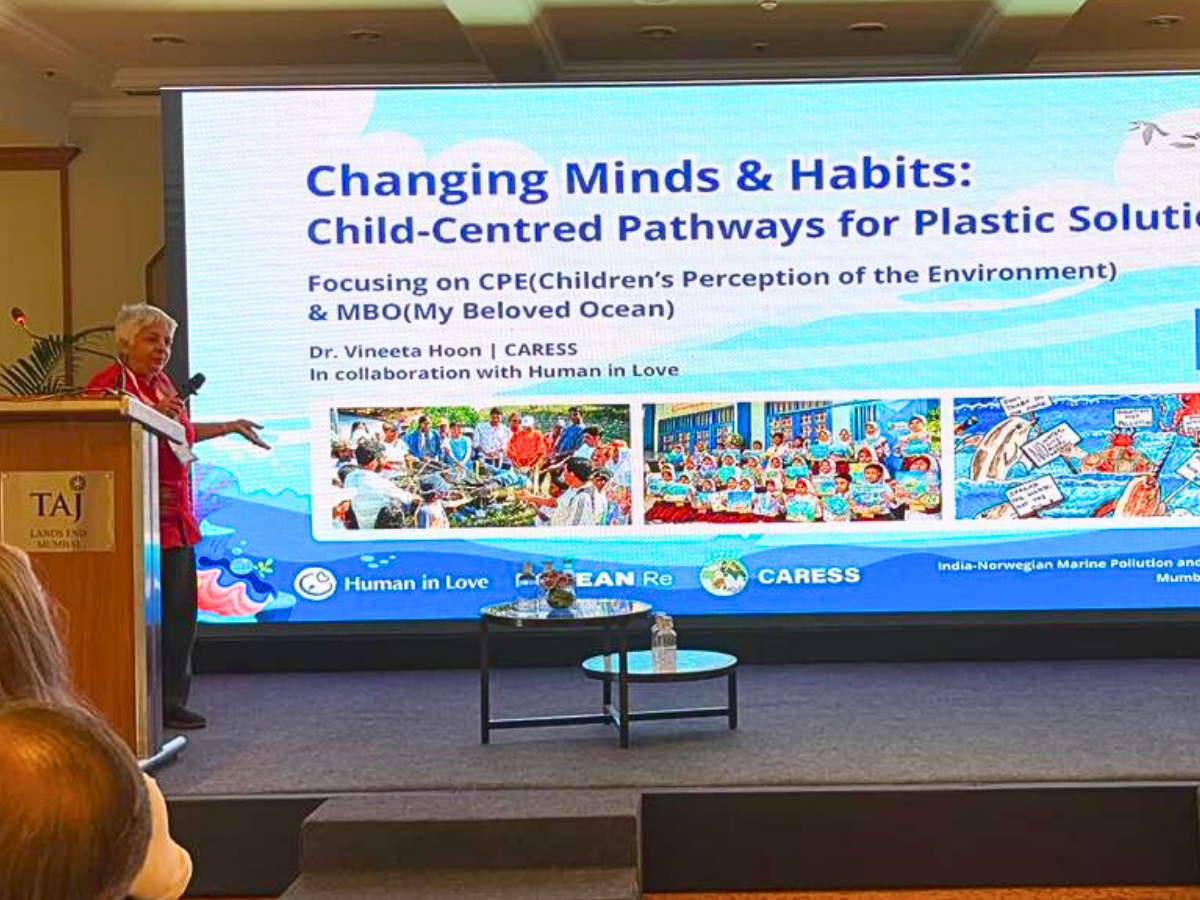
Presentation at the India–Norway Marine Pollution & Plastic Forum
Through a collaboration between CARESS (Centre for Action Research on Environment Science and Society) and the NGO Human in Love, a child-centred, participatory approach is being advanced to address marine litter and plastic pollution. Moving beyond traditional education models, this collaboration focuses on immersive experiences that position children as active agents of change, supporting shifts in awareness and contributing to sustained behaviour change.
The Philosophy: Why Children?
The initiative recognizes that children are in the most formative stage of life, making them powerful drivers of lasting change in ocean protection. The core philosophy is simple yet profound:
”Behaviour change begins with awareness, emotion, and action.
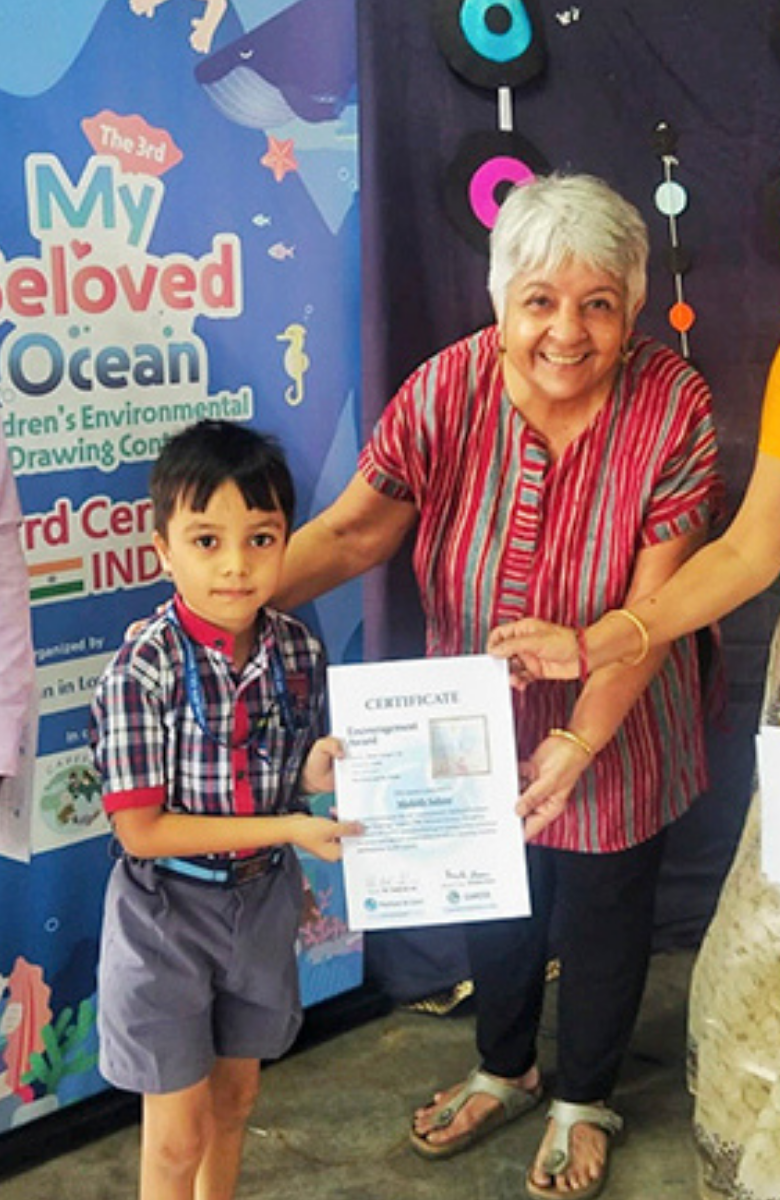
Children at the Award Ceremony
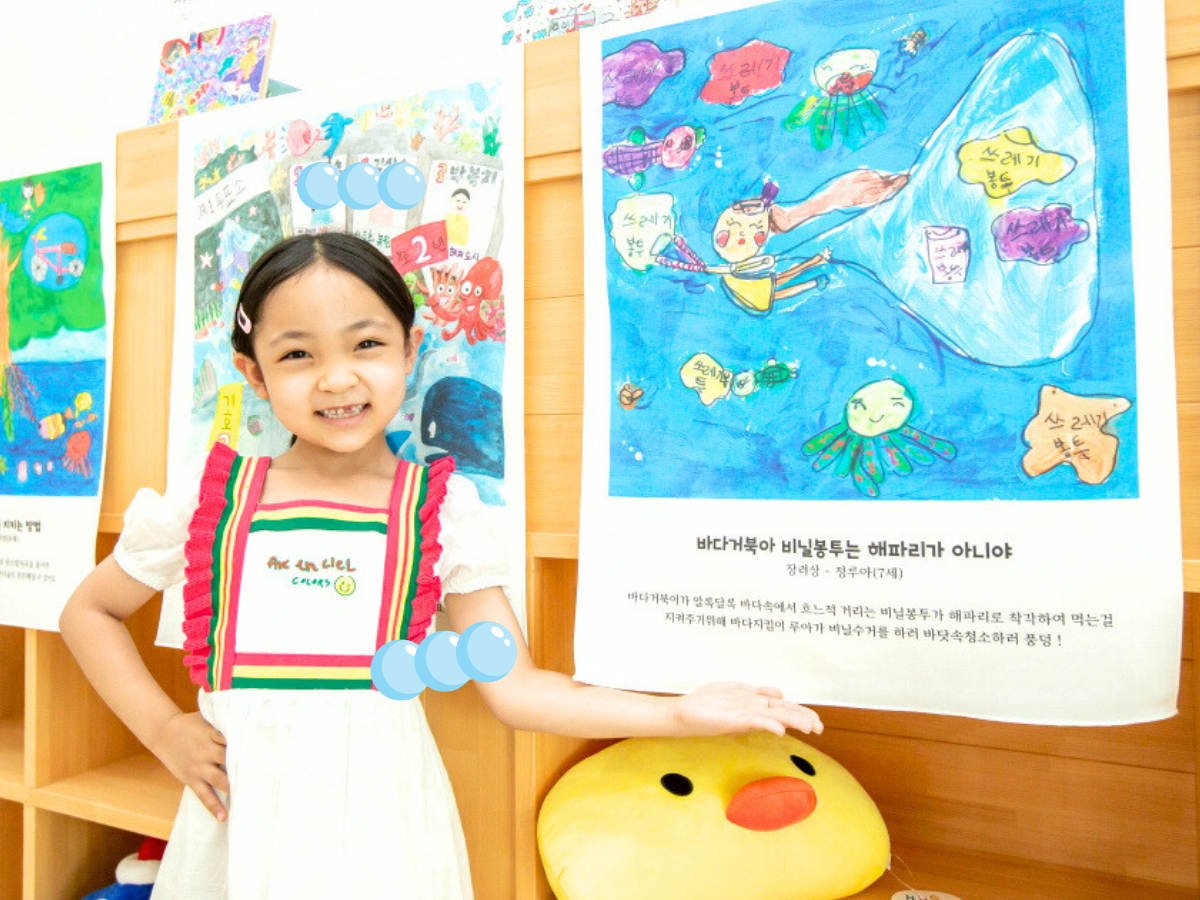
“Hey, Jellyfish! Plastic Is Not Food!”
To achieve this, the programme utilizes the CPE (Children’s Perception of the Environment) toolkit, which guides students through a three-step immersive learning process:
Children engage directly with their local environments, observing marine litter and environmental conditions first-hand. They then reflect on their observations by considering where waste originates and how it affects ecosystems and food webs, before expressing their understanding and emotions through art and dialogue. This integrated process supports deeper awareness and contributes to shifts in attitudes and behaviour.
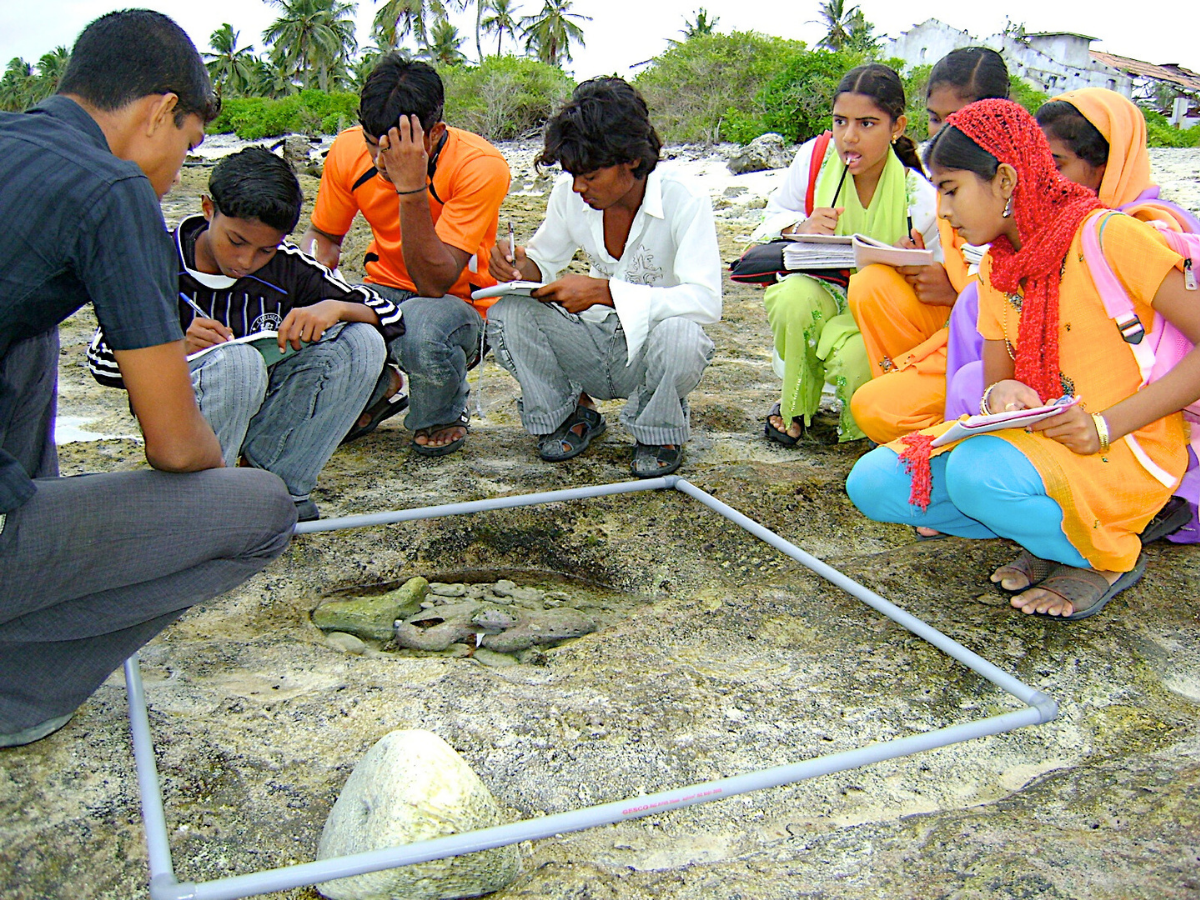
Exploration Activity on the Intertidal Zone
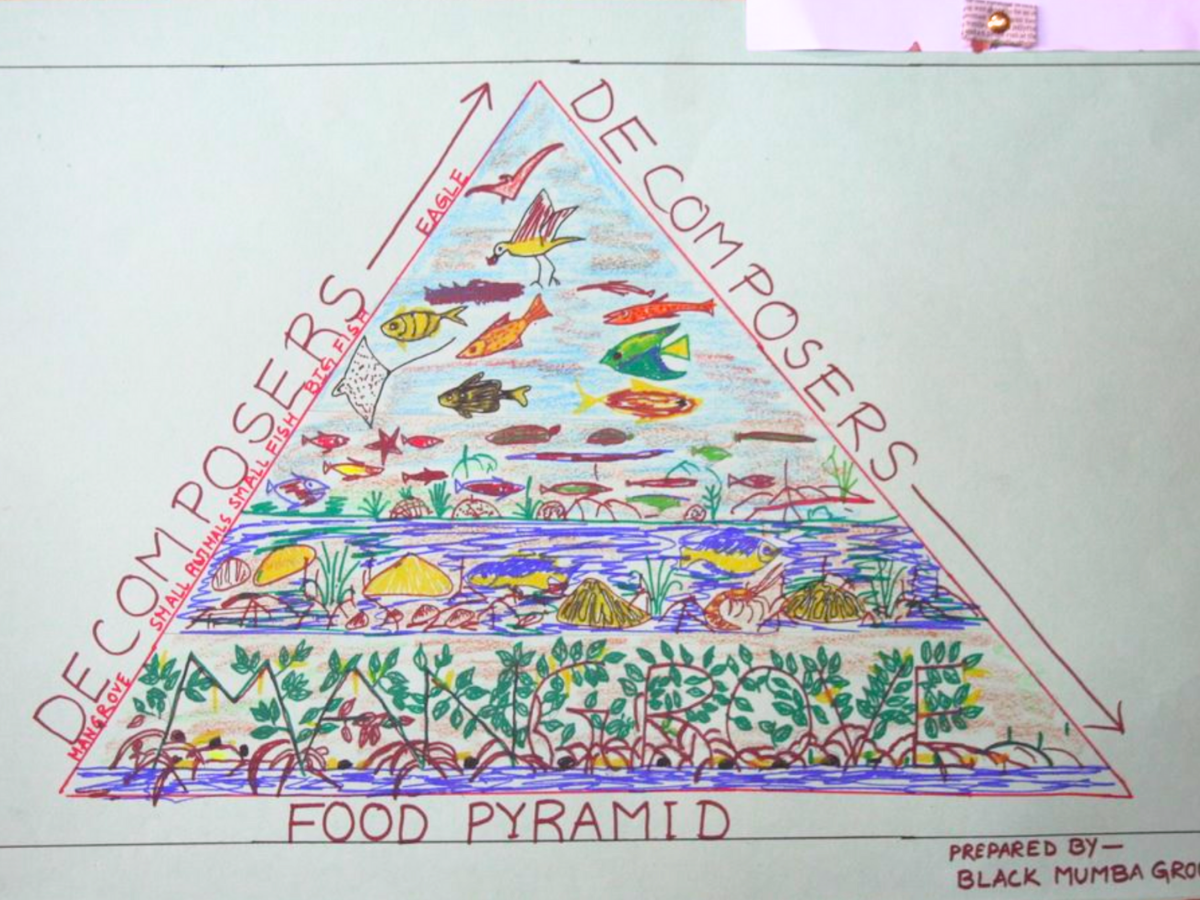
Pyramid Diagram of Marine Ecosystems Drawing
From Art to Action
A key component of this expression is the My Beloved Ocean International Children’s Environmental Drawing Contest. Rather than functioning as a stand-alone art competition, the initiative serves as a participatory platform where children translate their observations and understanding of marine ecosystems and plastic pollution into visual expression, linking learning with behaviour change.
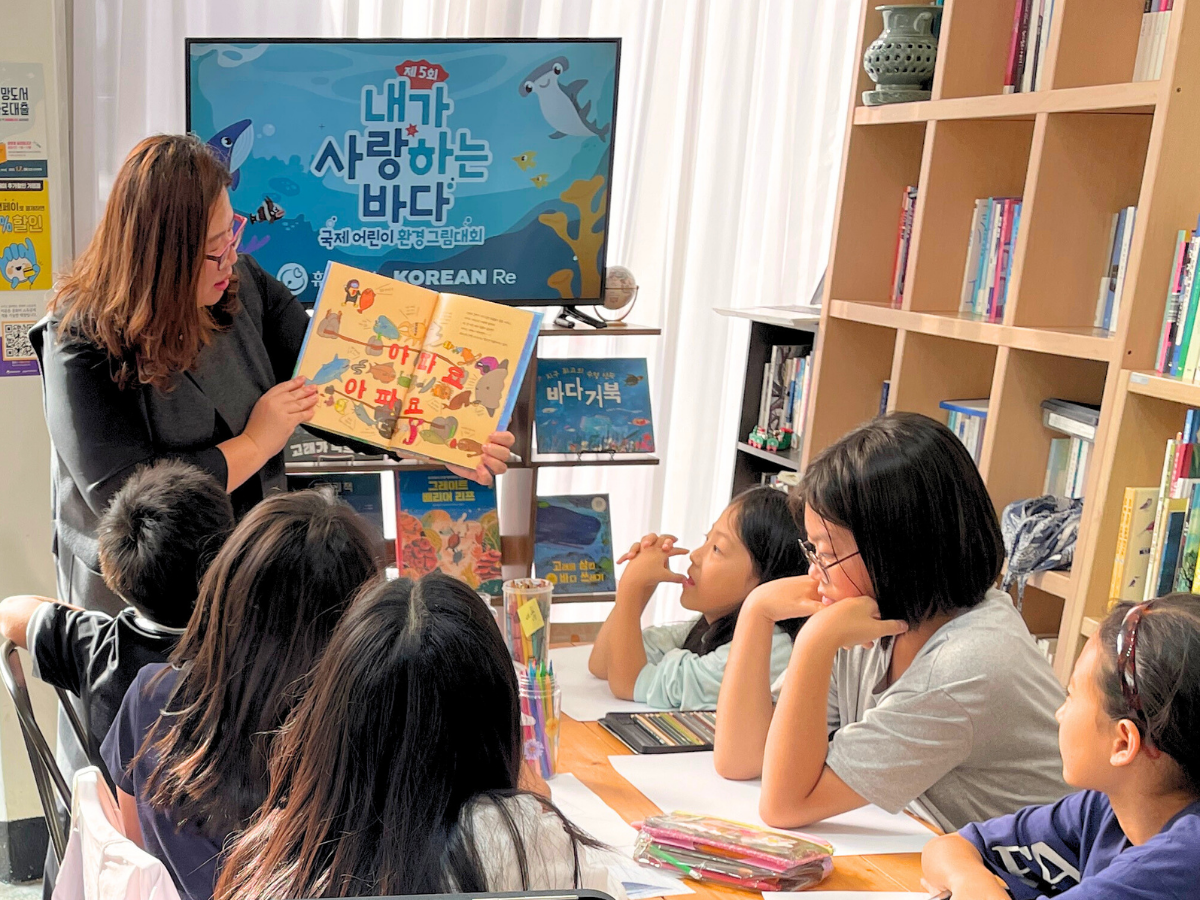
Children Reading and Talking about Ocean Environment Books
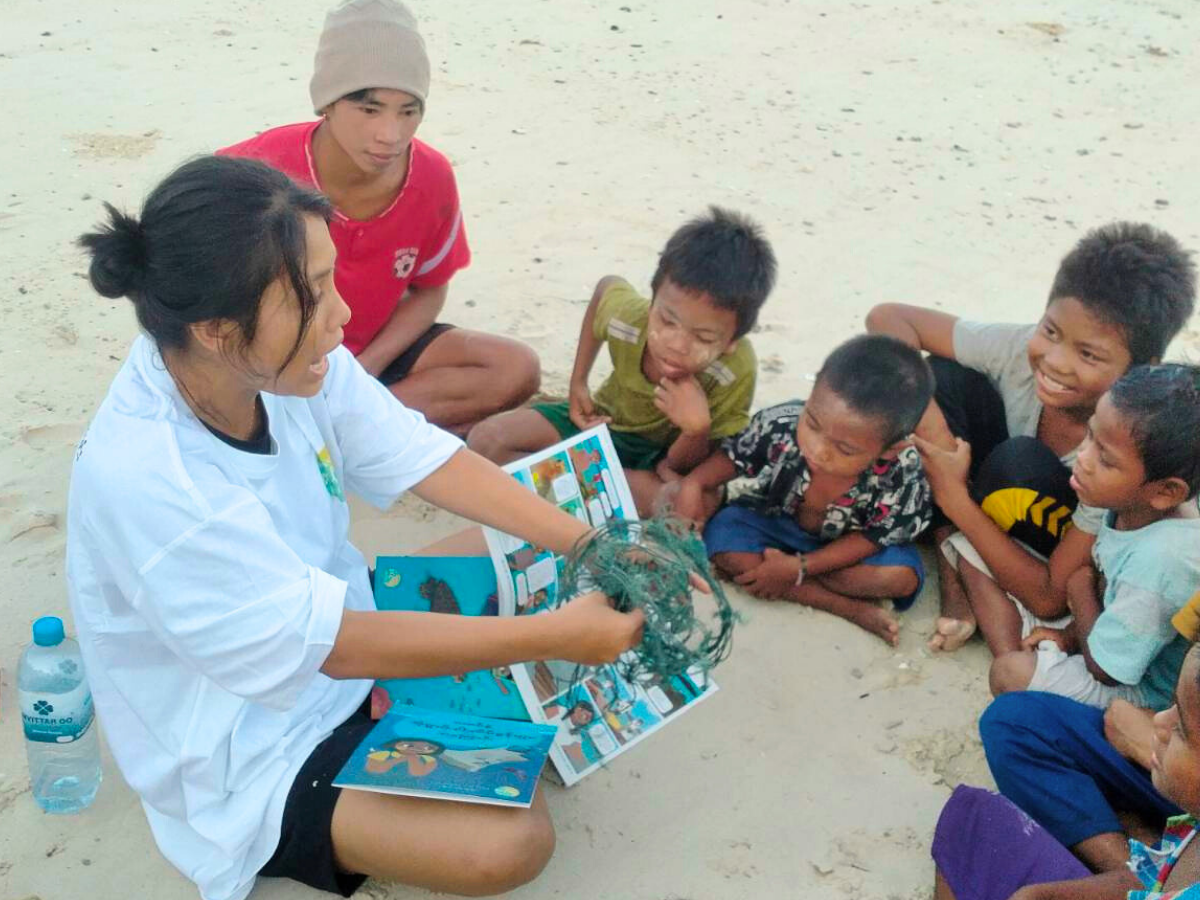
Ocean Literacy Session in Myanmar
In 2025, the fifth edition engaged 3,500 children from 18 countries, with activities implemented in collaboration with local partner organisations in India, Myanmar, Indonesia, and Ghana. Integrated with field-based environmental education, children combined reading, discussion, and direct observation of their local environments—such as beaches, coastal areas, and community lakes—before expressing their experiences through drawings.
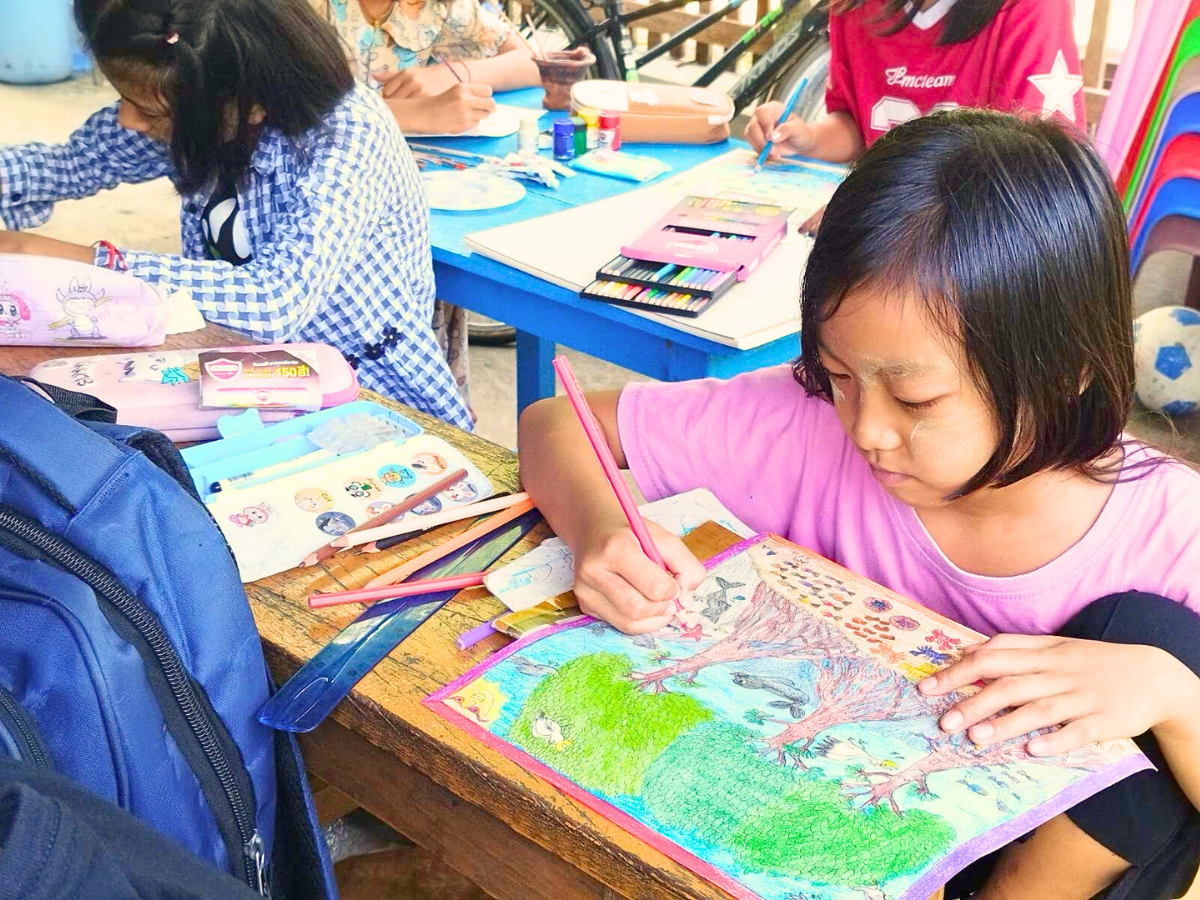
Child participating in drawing contest
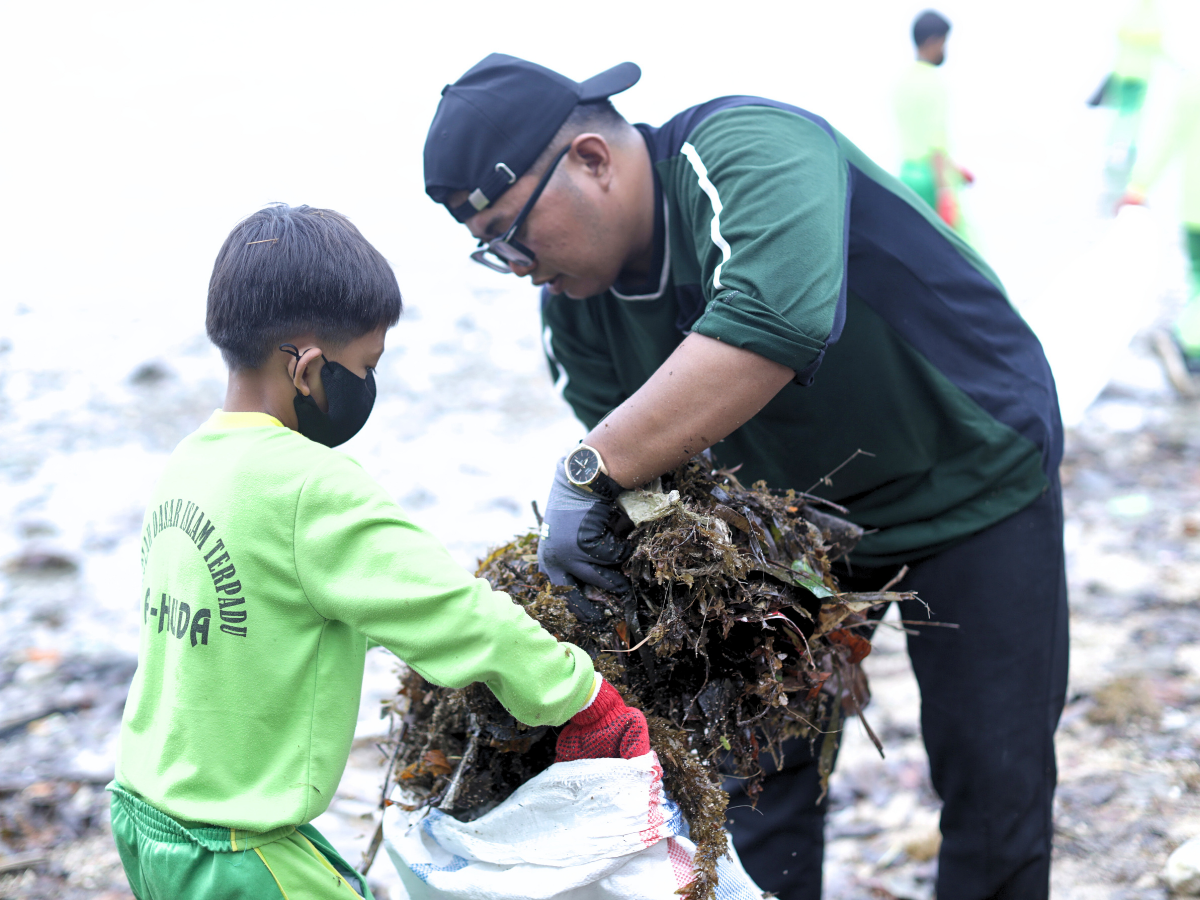
Beach and Coastal Clean-up Activity in Indonesia
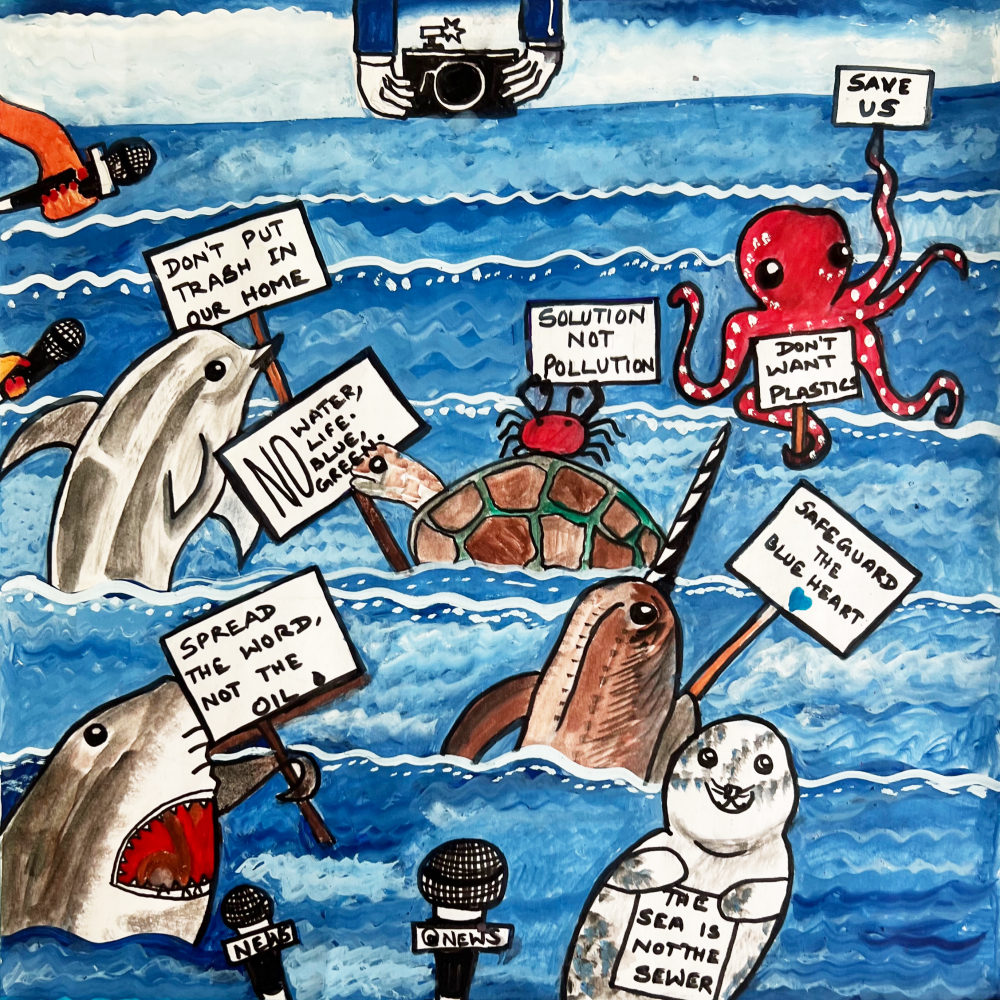
Protect the ocean and the earth / L. Sai Dharshan(Age: 12, India)
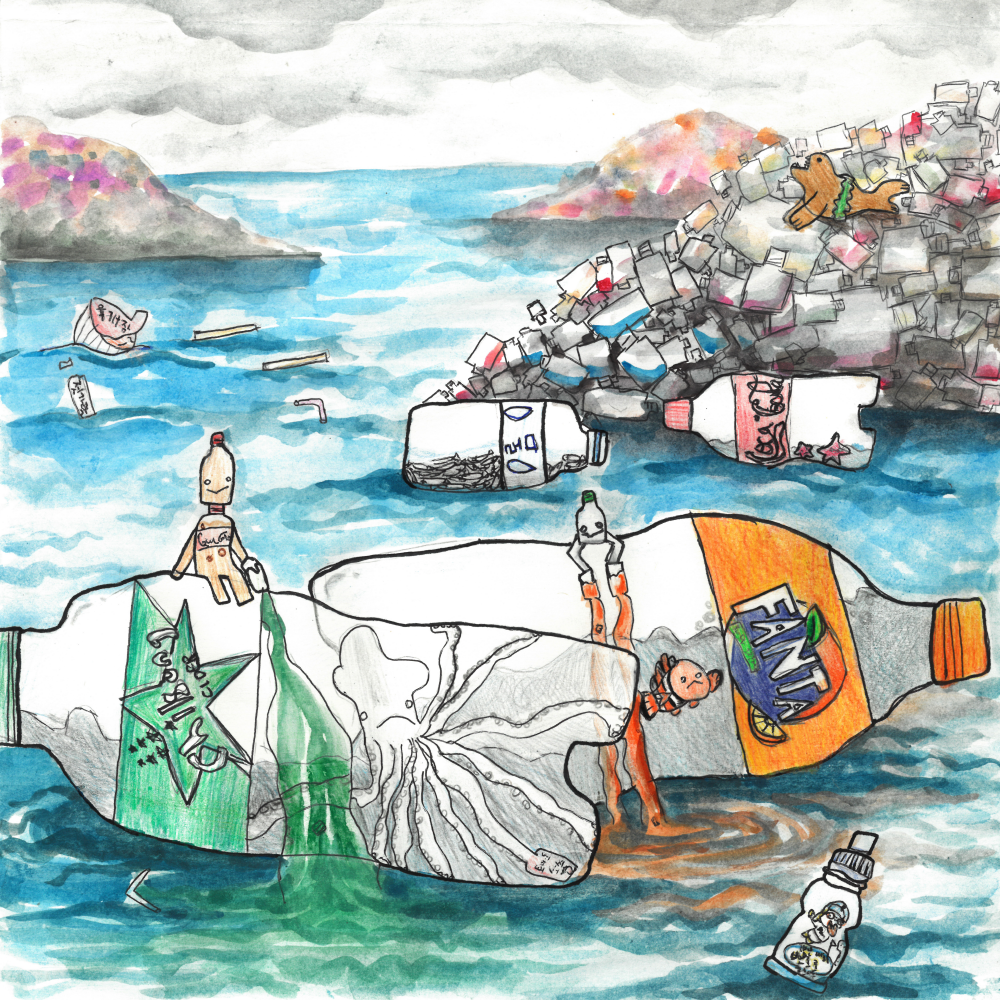
We, Trapped in Plastic / Miel Cho(Age: 12, Korea)
Within this approach, art is not treated as an end product but as part of an experiential learning process. Children’s artworks have supported dialogue within schools, families, and communities, contributing to tangible actions such as commitments to plastic-free school campuses, regular local waste monitoring, women-led upcycling initiatives, and community-level resource recovery. Shared at international marine debris and plastic pollution-related meetings and exhibitions, these works extend beyond local contexts to bring an intergenerational and human perspective into policy and knowledge-sharing spaces.
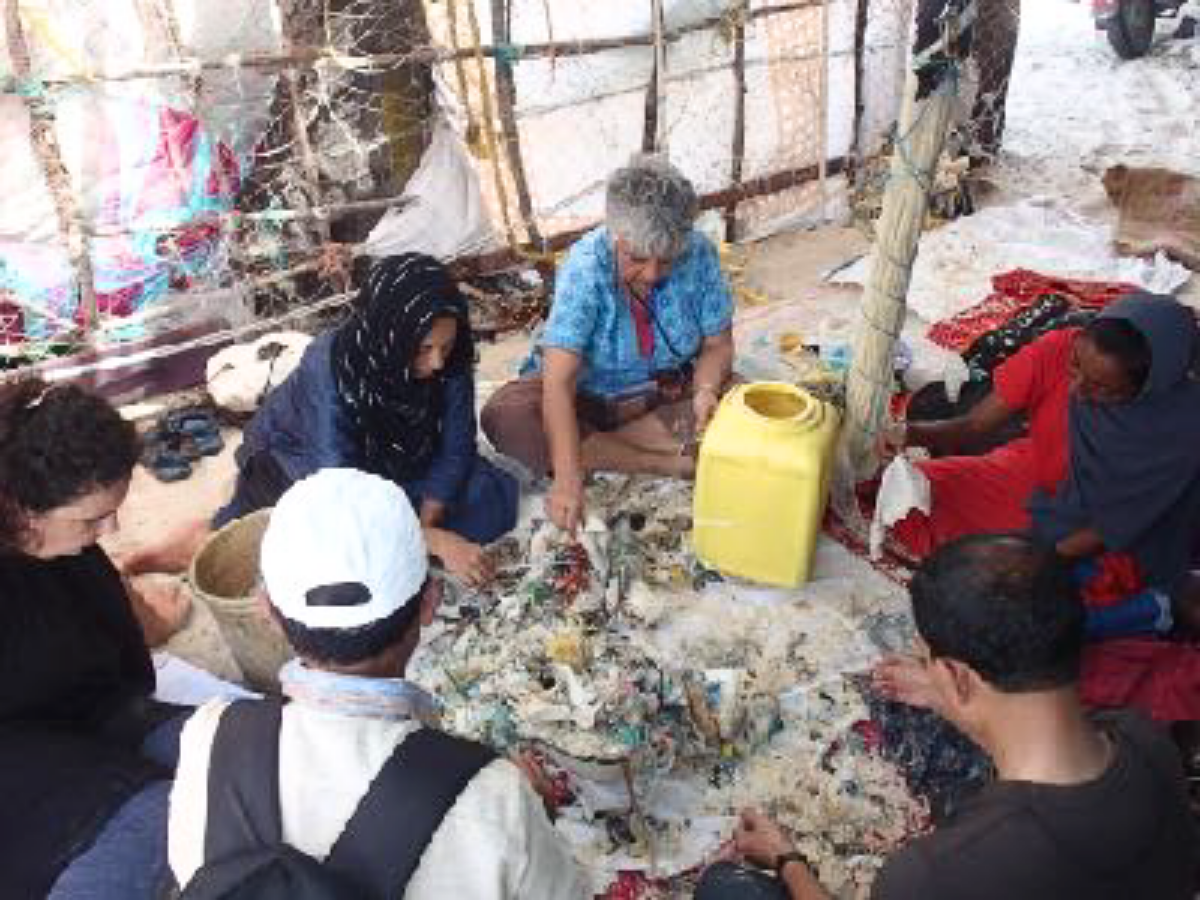
Marine Litter Monitoring at the community
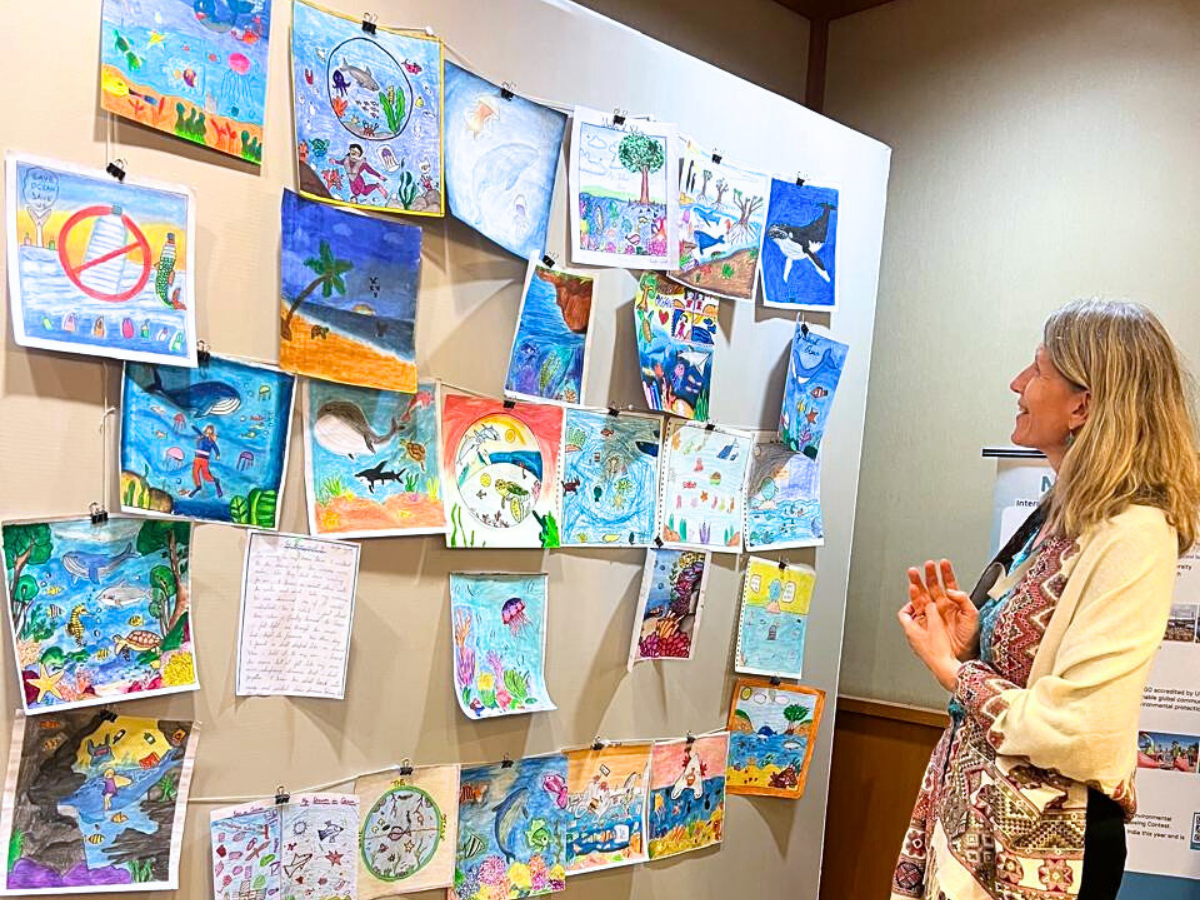
A forum participant viewing children’s drawings
By linking emotional connection with scientific understanding, CARESS and Human in Love demonstrate that safeguarding the “Blue Heart” of our planet begins with supporting shifts in the mindsets and habits of its youngest generations.
These examples demonstrate that responding to plastic pollution is not limited to awareness-raising or technical solutions alone, but involves shaping behaviour through participation and lived experience. Child-centred approaches extend beyond education for future generations, serving as practical entry points for change that can influence communities and policy discussions in the present.
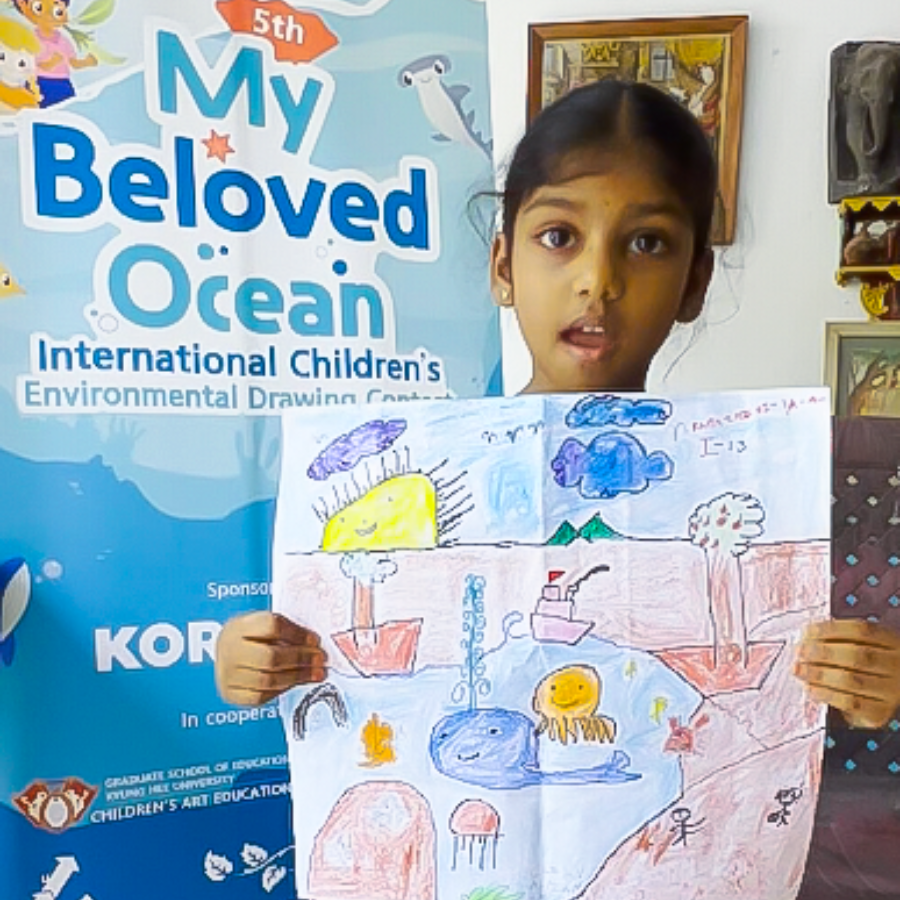
”If we clean up the ocean, the fish will be happy, and they also be happy with us for cleaning their home.